







How to Identify High Quality Pool Cues by Inspecting Their Parts

For billiards fans, a cue acts as more than just a rod. It serves as an arm extension and a path for tactics. Whether you play Chinese eight-ball or American nine-ball, the gear in your hand shapes your results. But the market holds many items. These vary widely in build quality.
Players can spot high quality pool cues from the best pool cue manufacturers. To do so, grasp the stuff used, the build methods, and the skill in each piece.
What the Tip and Ferrule Reveal About Performance
The tip forms the main touch spot between your aim and the cue ball. When you check a cue, look at the tip first. Its state shows the maker’s care for small details.
Material Selection
Better cues pick tips from Japanese pig skin. They avoid fake or cheap leather. For instance, strong tips such as the Night Fury or Hawkeye use layers.
Performance Standard
A solid tip gives good firmness and bounce. It holds up to hits without splitting or bending. This leads to exact spots on twist shots. It also grips the ball well. Such traits matter for skilled games.
Ferrule Construction
The ferrule sits under the tip. It takes the shock and guards the shaft. Top cues use XTC or JUMA for strength, steady feel, and smooth power pass.
Understanding Wood Quality: Why the Shaft is the “Engine”
The shaft counts as the main piece in a pool cue. Many cues seem alike on the outside. But the wood inside sets the cue’s core feel.
The Science of Sourcing and Dehydration
Top makers pick raw wood with great care. They get fine woods like North American maple, ash, and ebony from around the world.
Chemical vs. Natural Treatment:
Common makers speed things up with chemical fixes. On the other hand, builders of a master pool cue choose a natural dry method based on science. They put the wood in a room with even heat and moisture for a set time.
Why this matters:
· Stability: This careful step drops moisture under 8% in a natural way.
· Elasticity: Chemical ways can make wood weak and stiff. But natural drying keeps the wood’s natural bend, strength, and even thickness.
· Precision: Shafts go through several CNC rounding steps. After each cut, the wood faces the even heat and moisture again. This sets the wood cells firm.
Why the Joint Mechanism is Crucial for Energy Transmission
The joint links the butt to the shaft. It sets how the cue feels on hit. A loose or rough joint loses power. The shot then feels flat.
High-Precision Joints:
Seek known joint types like the Radial Pin or Python-Pattern Joint. These make full contact between the wood and the metal pin. As such, the hit stays strong.
Concentricity:
A key sign of good work is concentricity. Straight line-up matters for power flow. If the cue lacks this, power veers off, which hurts aim.
How to Inspect the Butt and Finish for Durability and Culture
The butt gives the cue its weight and look. Yet in high quality pool cues, the style goes beyond looks. It shows skill and deeper meaning.
Design and Inlays
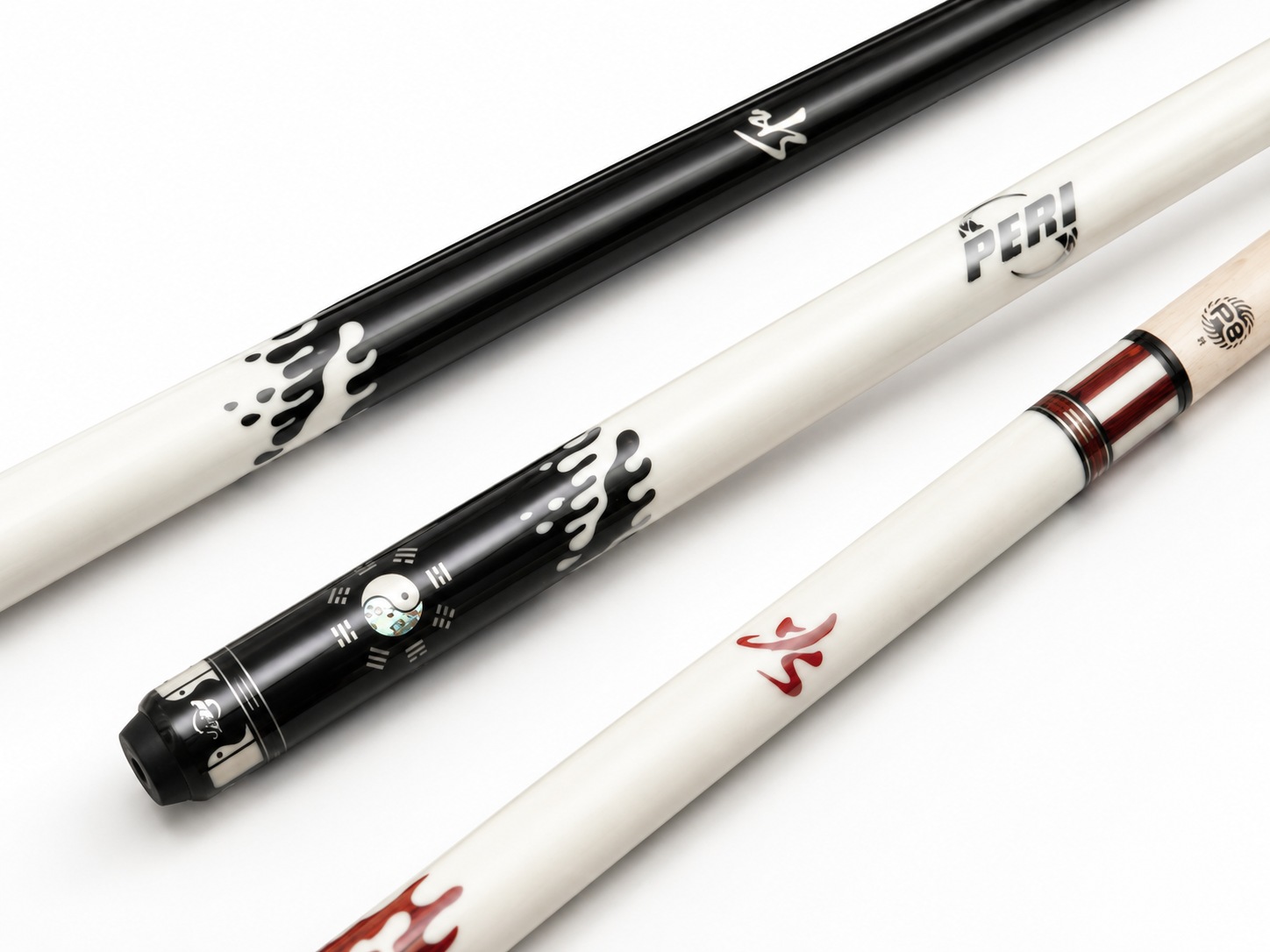
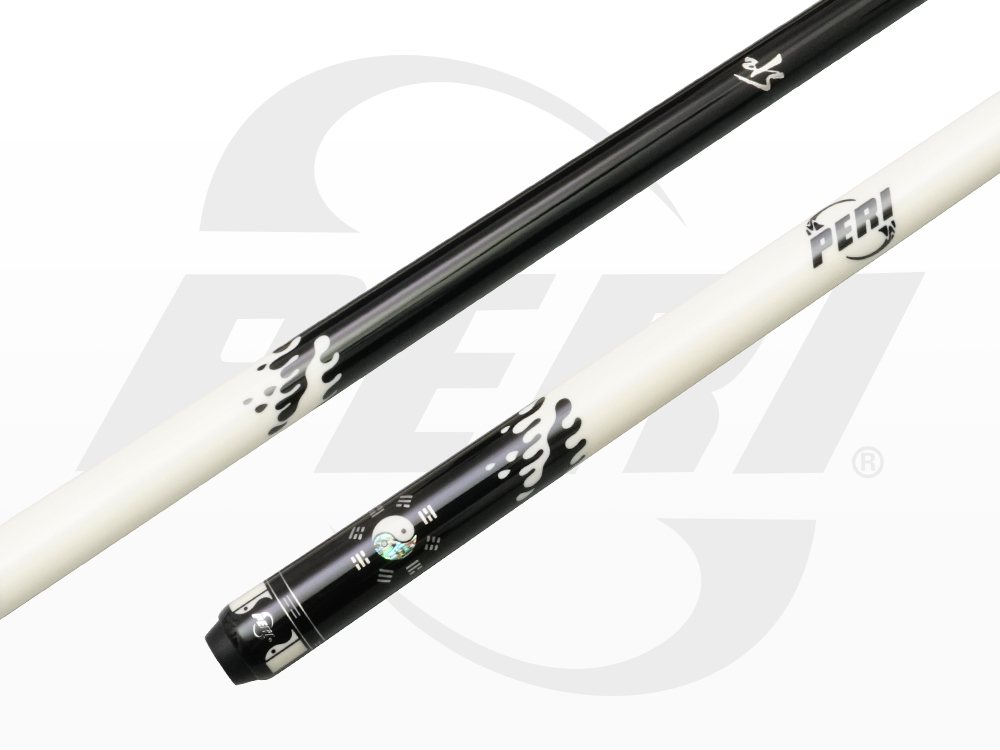
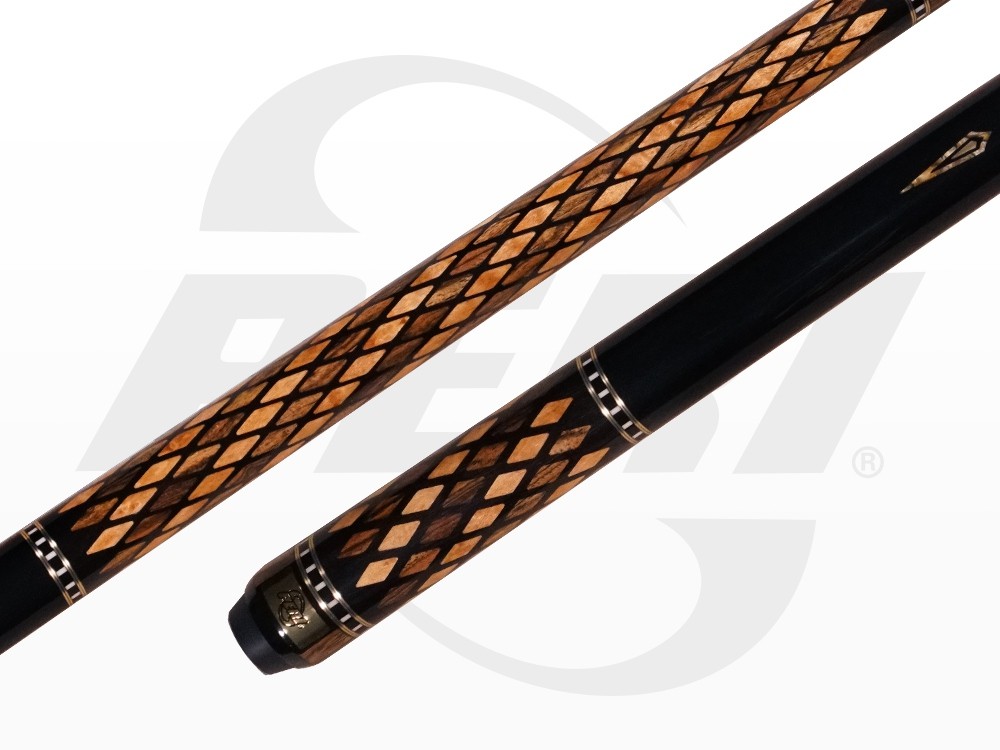
Top makers add cultural touches to the style. This builds a clear brand mark. Take series like Wuji, meaning Limitless, or Xuanmu, meaning Mysterious Wood. These draw from Taoist ideas and simple ways. Complex looks, such as multi-splice butt items, show key skills. Such work matches top global brands. It needs tough build steps.
Comparison of Cue Features
The table below lists differences between basic gear and a master-level cue:
Feature | Standard House Cue | High Quality Master Cue |
Tip Material | Single layer leather or synthetic | Multi-layered Japanese Pig Skin (e.g., Night Fury) |
Ferrule | Basic Plastic | Imported XTC or JUMA |
Wood Treatment | Chemical drying (fast) | Constant temperature/humidity natural dehydration |
Wood Sourcing | Generic local wood | Selected North American maple, ash, or ebony |
Joint Alignment | Standard mechanical fit | Precision concentricity adjustment |
Weight | Fixed / Non-adjustable | Equipped with weight adjustment mechanisms (Bolts) |
Testing | Visual check only | Straightness, hardness, and moisture content (<8%) |
Why the Best Pool Cue Manufacturers Collaborate with Pros
A clear mark of a master pool cue comes from pro players being involved in its development. Many small makers skip the fine details of competitive play.
The best pool cue manufacturers operate full-scale R&D programs where top players are part of the design process.
For example, stars like Dai Yong and Zheng Xiaohuai contribute feedback from professional testing. This collaboration refines balance, grip size, and overall performance to meet modern billiards demands.
Understanding Weight, Balance, and Accessories
At last, check the cue’s fit options. A player’s weight choice can shift. High-quality cues add a weight bolt kit. This lets tweaks by 1.0oz or 1.5oz to match the stroke.
Also, view the add-ons. A top cue fits a full setup. It works with extensions, using strong protectors made of plastic-steel or wood.

Conclusion
To find high quality pool cues, watch the details closely. Admire the inlays if you like. But check the wood dry process, joint line-up, and tip leather too. A real master pool cue stems from strict picks, science-based builds, and pro R&D.
PERI shows this focus on the true wood nature. The brand sticks to natural dry steps. It blends old skills with new CNC accuracy. This way, each cue offers steady play and strong work.
If you aim to boost your game, start by checking these key parts. That leads to a cue that feels like part of your own will.
FAQ
Q: Why is natural dehydration better than chemical treatment for pool cue shafts?
A: Natural dehydration preserves wood elasticity, toughness, and uniform density, ensuring long-term stability, while chemical treatments may weaken fibers and cause brittleness over time.
Q: What is the benefit of a multi-layered tip like the Night Fury?
A: Multi-layered Japanese pig skin tips retain shape, elasticity, and playability longer, offering better hardness balance, consistent feel, improved ball grip, and more precise cue ball control.
Q: How can I check if a pool cue is perfectly straight?
A: Perform a straightness inspection by rolling the cue on a flat surface and watching for wobble, a method used by quality manufacturers before shipment.
Q: Why is the concentricity of the joint important?
A: Proper concentricity ensures precise alignment between shaft and butt, allowing efficient energy transfer, reduced deflection, and improved shot accuracy.
Q: What materials are best for ferrules on high-quality cues?
A: Premium cues use XTC or JUMA ferrules for durability, consistent feedback, and performance, outperforming standard plastic ferrules found on lower-quality cues.
