






Introduction
Picking the perfect pool cue stick is a very practical choice for players, clubs, and gear buyers. This is because the overall structure directly impacts a player's accuracy, control, and shot consistency. Various playing styles need distinct designs. Therefore, it becomes vital to grasp shaft performance, butt balance, tip traits, and overall build quality.
For individuals searching for how to buy a cue stick, the secret goes beyond merely picking a pretty design. A proper cue must fit your specific playing goals. It also needs to meet competition rules and suit your personal handling preferences.
What Are the Main Types of Pool Cues and Their Applications?
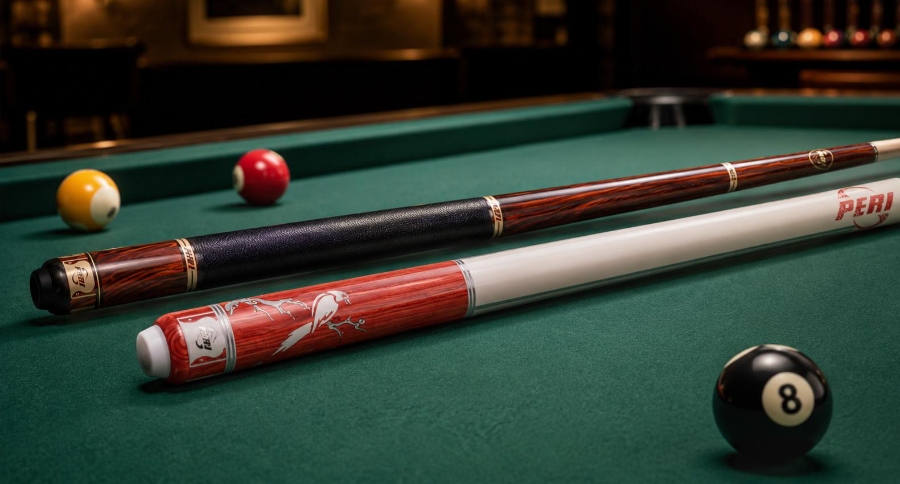
Distinct types of pool cues serve highly specific game purposes. A standard playing cue stands as the top pick for normal shots, daily practice, and serious tournaments. It demands a nice mix of flex, solid stability, and clear physical feedback.
A break cue exists solely for those heavy opening shots. These moments demand maximum energy transfer. When compared to a standard playing cue, it usually features a much harder tip. It also utilizes a tougher build to boost raw power delivery.
A jump cue features a noticeably shorter frame. This shorter length helps shooters apply downward force with ease when the cue ball must hop over blocking balls. A break jump cue blends both of these helpful functions together. This offers great convenience for competitors who want multiple skills from a single tool.
Cue Type | Main Application | Key Design Features | Suitable Users |
Playing Cue | Regular shots and tournaments | Balanced shaft, controlled feedback, comfortable cue butt | Players and clubs |
Break Cue | Powerful opening shots | Hard tip, stronger impact transfer | Competitive players |
Jump Cue | Jump shots | Short structure, lightweight handling | Advanced players |
Break Jump Cue | Break and jump functions | Multi-purpose design | Flexible equipment users |
Grasping these clear categories is among the most helpful cue stick selection tips available today. Proper gear must always support a person's unique technique and their normal playing environment.

How Do Shaft, Cue Butt, and Tip Design Affect Performance?
A professional pool cue acts as a complete performance system. The shaft, cue butt, and tip all strongly affect the final shot outcome.
The shaft manages overall stability and energy movement. A premium shaft lets shooters gain steady ball contact and much clearer physical feedback. Meanwhile, the cue butt alters base balance and holding comfort. This happens because the exact weight layout shifts the feel of every single stroke. Finally, the tip contacts the cue ball directly. It heavily dictates surface grip, applied spin, and fine shot control.
When buyers think about how to buy a cue stick, they must look at all these parts together. Judging them separately rarely leads to a smart purchase.
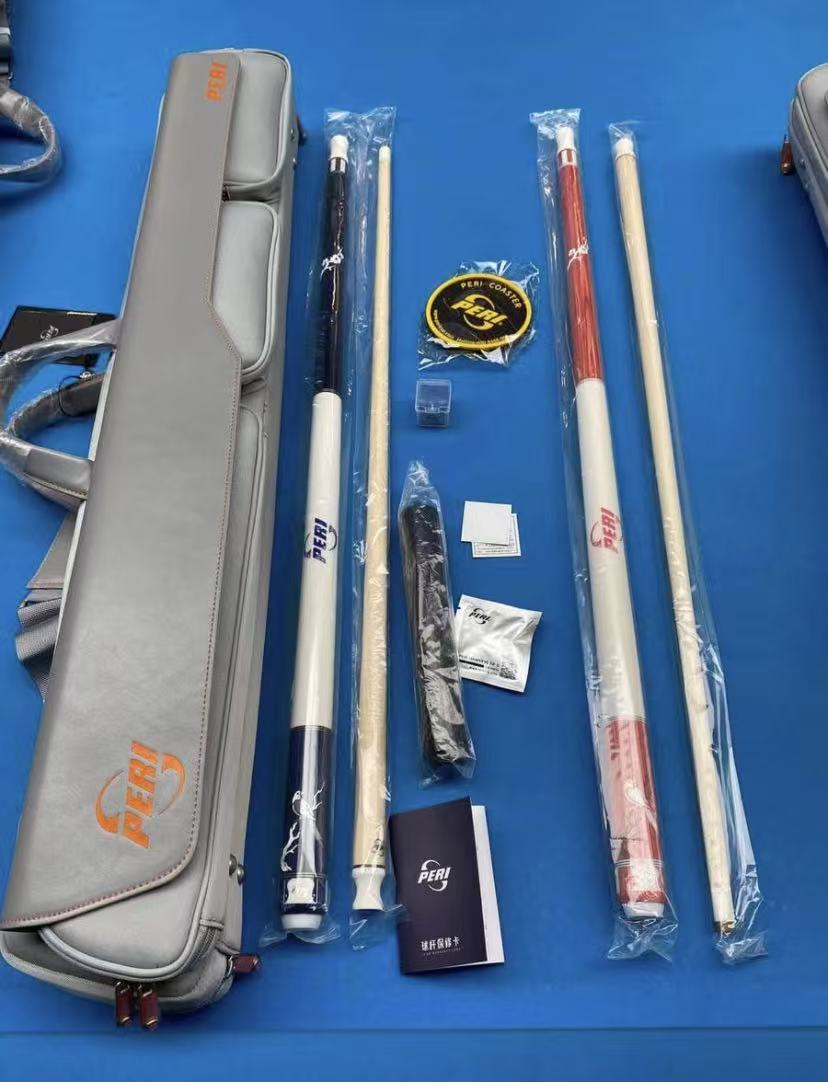
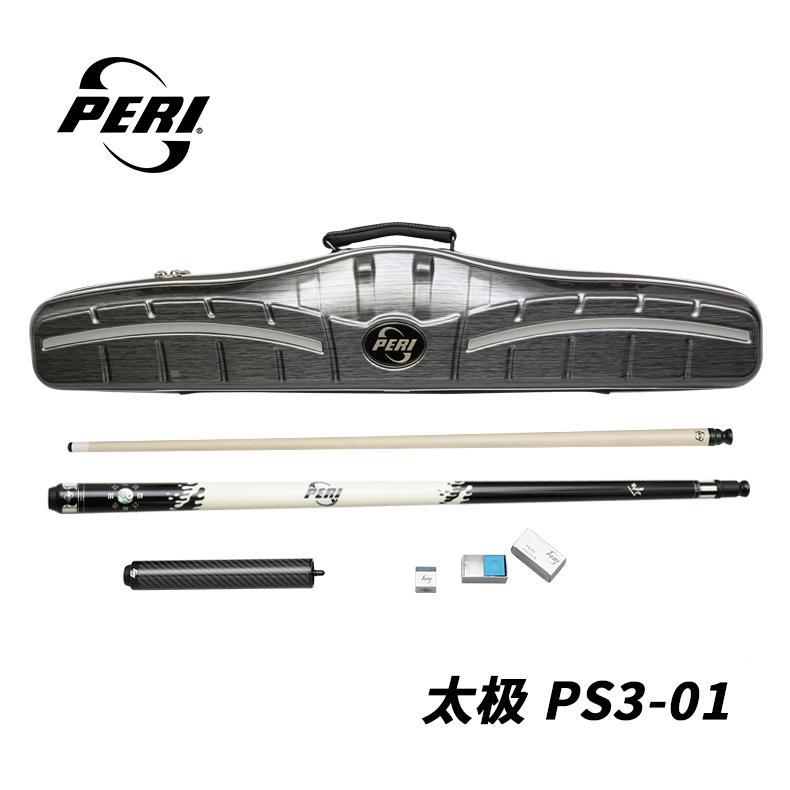
The Jingyuan YOU and Jingyuan ME models give a great example of pro-level specs. These specific models utilize P8S professional shafts and Hawk Eye Tip II multi-layer tips. They also feature imported XTC ferrules, Radial Pin joints, a 12.5mm tip diameter, and fully adjustable weight systems. Such layouts are built for Chinese Eight-Ball and Nine-Ball competitors. These shooters desperately need steady control and crisp feedback.
Component | Specification Example | Performance Value |
Shaft | P8S professional shaft | Stable structure and clear hitting feedback |
Tip | Hawk Eye Tip II multi-layer tip | Better grip and durability |
Ferrule | Imported XTC ferrule | Shock resistance and smooth power transfer |
Joint | Radial Pin joint | Stable connection and efficient transmission |
Weight System | Adjustable mechanism | Customized balance |
How Do Professional Cue Manufacturers Build Quality Equipment?
Behind every truly reliable stick sits a strictly managed building process. Dedicated cue manufacturers must oversee raw material choices and deep wood treatments. They also handle precise machine work and strict quality checks to guarantee steady performance.
Raw wood quality is incredibly vital here. Natural timber heavily dictates bending flex, core density, and overall straightness. A top-tier factory relies on strict processing steps. These steps protect the natural wood traits while greatly boosting its long-term lifespan.
The typical building phase involves picking premium wood blocks. It then moves to steady temperature and moisture treatments, followed by careful CNC cutting and tough visual checks. These exact steps help preserve shaft straightness and ensure high product uniformity.
For global shoppers and local pool cue dealers, factory ability remains a huge deciding factor when picking brand partners. Steady daily production, strict quality checks, and solid tech support let companies deliver superior items. This benefits both touring pros and weekend hobbyists.
How Do Players Evaluate Professional Pool Cues?
A truly helpful professional cue review must highlight actual playing performance over just fancy looks. Serious competitors typically judge body balance, hit feedback, power flow, and shot consistency. They test these factors deeply during hard practice runs and live matches.
A user's personal experience also shapes future product creation. Honest feedback from pros helps builders upgrade their designs. They adjust things based on actual match settings and strict player demands.
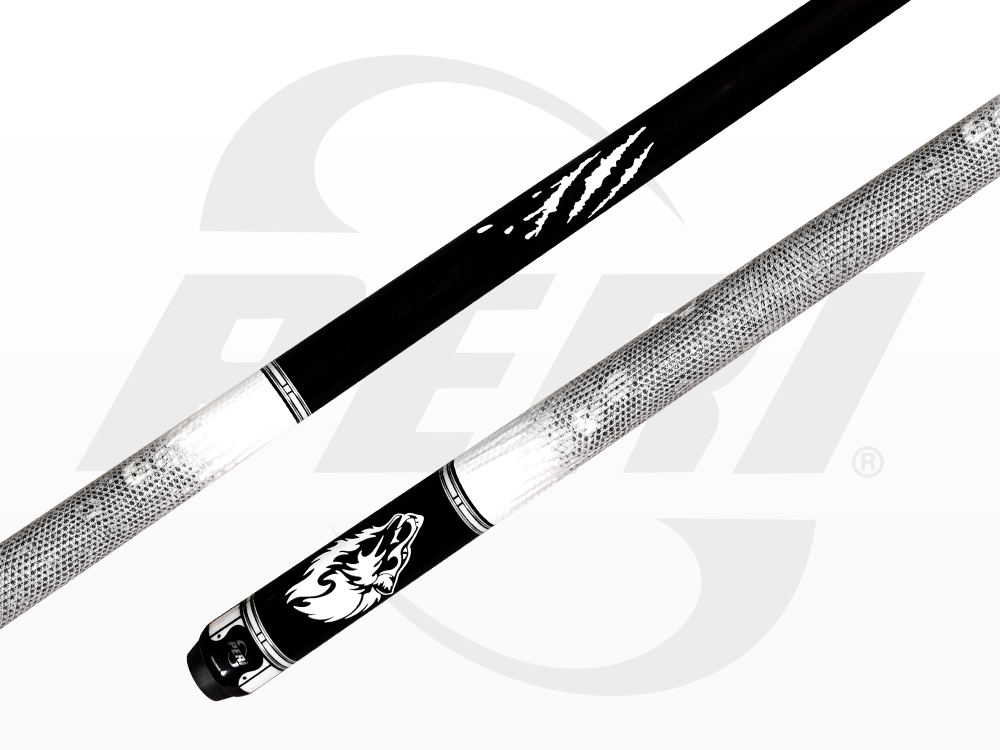
The JISU series clearly shows how a performance-driven layout supports eager tournament players. The JISU 1 model packs a P8 hard maple shaft alongside a Black Ice multi-layer tip. It also boasts a JUMA ferrule, a Python-pattern precision joint, a 12.5mm tip diameter, and a handy adjustable weight system. Together, these elements grant a wonderful mix of raw power, tight control, and personal handling tastes.
For wholesale distributors, these deep technical facts build much stronger retail value. Shoppers can easily grasp why one specific stick acts differently from a cheaper alternative.

Conclusion
Picking the best pool stick takes far more effort than just pointing at a nice pattern. Active players, busy clubs, and large distributors must carefully weigh the exact cue type and modern shaft technology. They should also look at butt balance, tip grip, and overall factory standards.
Knowing the various types of pool cues lets shoppers make smarter choices based on real-world needs. Partnering with veteran builders grants easy access to highly stable goods and pro-level specs. It also yields great gear solutions fit for quiet practice, loud tournaments, and broad retail sales.
Feel free to explore top-tier cue solutions from PERI. You will discover premium gear built specifically for eager players, busy clubs, and smart distributors. These groups constantly seek highly reliable action and truly advanced factory quality.
FAQ
How to buy a cue stick for beginners and professional players?
When figuring out how to buy a cue stick, shoppers must look closely at their personal playing style and ideal weight preferences. They should also check shaft flex, tip firmness, and overall body balance. The perfect stick will closely match the user's current skill stage and future practice goals.
Which types of pool cues are suitable for tournament players?
Standard playing models work best for normal match shots. Meanwhile, heavy break sticks deliver massive opening force. Finally, specialty jump tools assist shooters in escaping very tricky table traps.
What cue stick selection tips improve playing performance?
Some highly valuable cue stick selection tips involve testing the upper shaft's straightness and checking the lower butt's weight feel. You should also inspect the leather tip's grade, look for weight tuning traits, and ensure the stick fits your favorite billiard game.
