





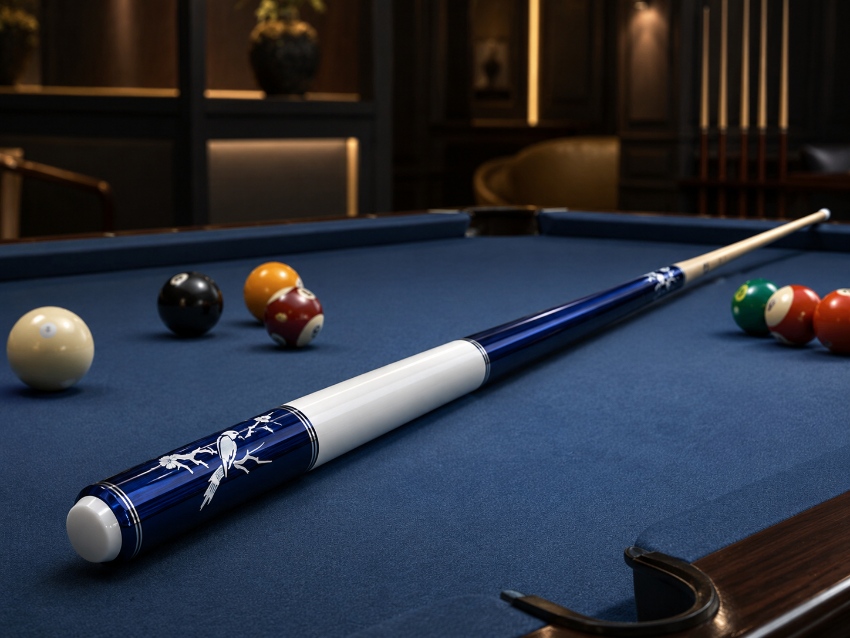


At a shop, cues may feel alike until you play a few racks. One may tug at your back hand; another may feel skittish on a soft draw. The useful question is not which finish catches the eye. It is whether the complete cue, its shaft, and its butt agree with your stroke. Naming them removes noise from a cue comparison.
Name the Parts Before Comparing Specs
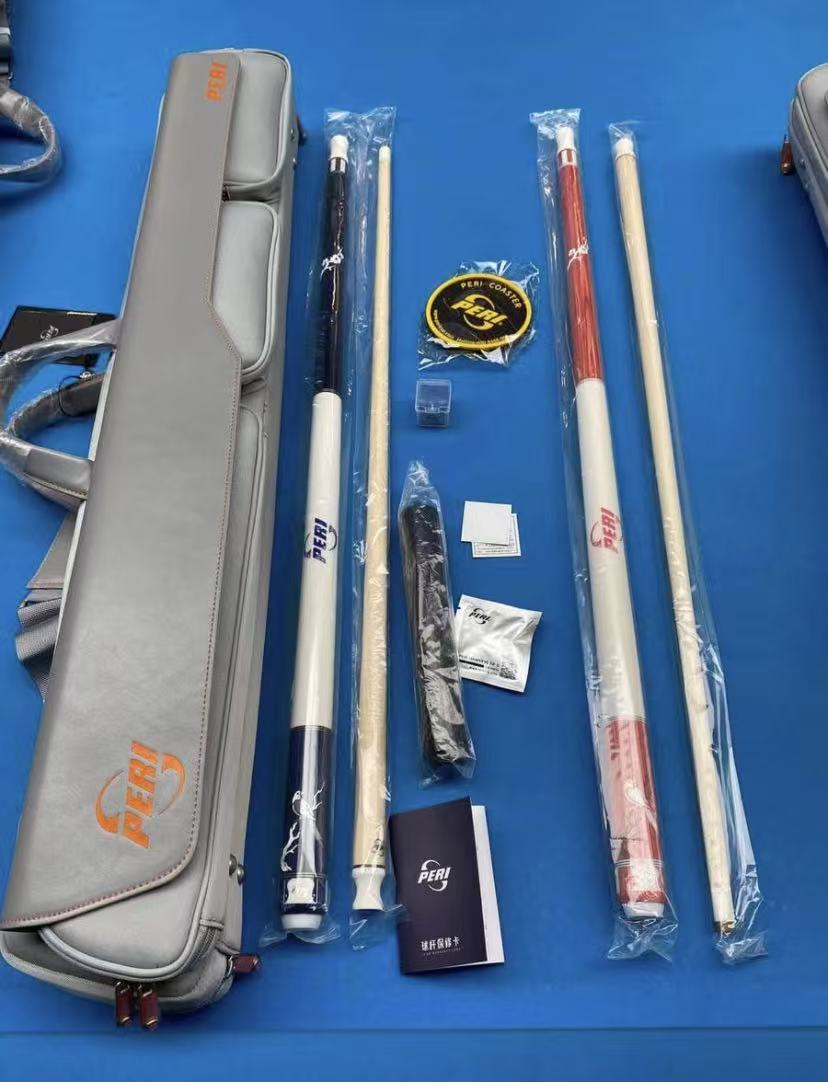
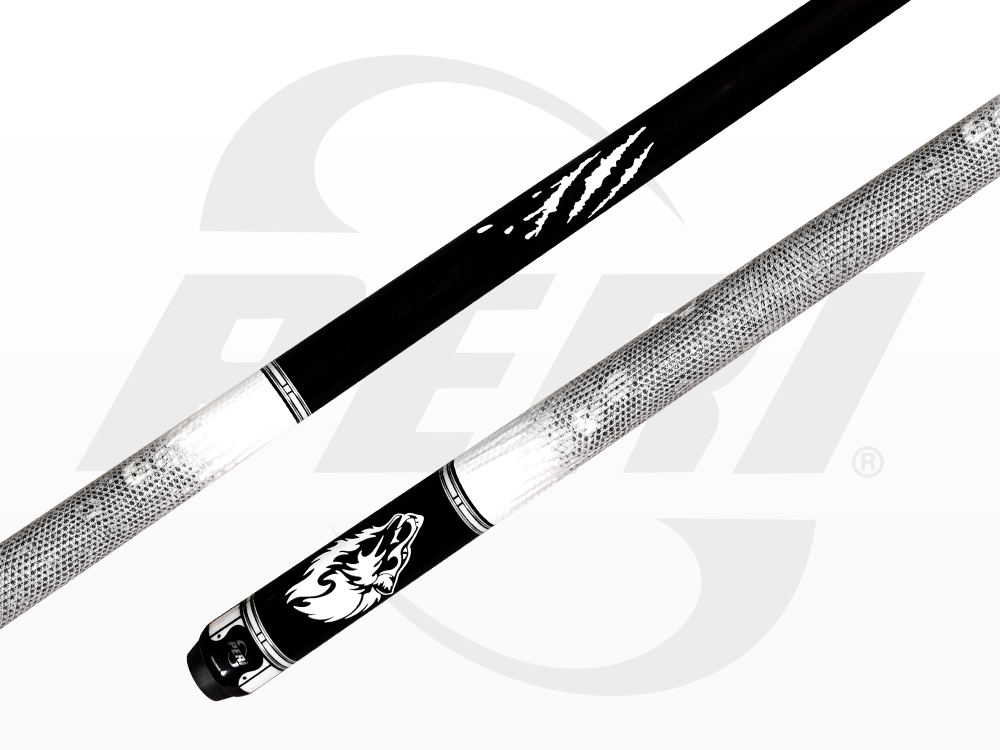
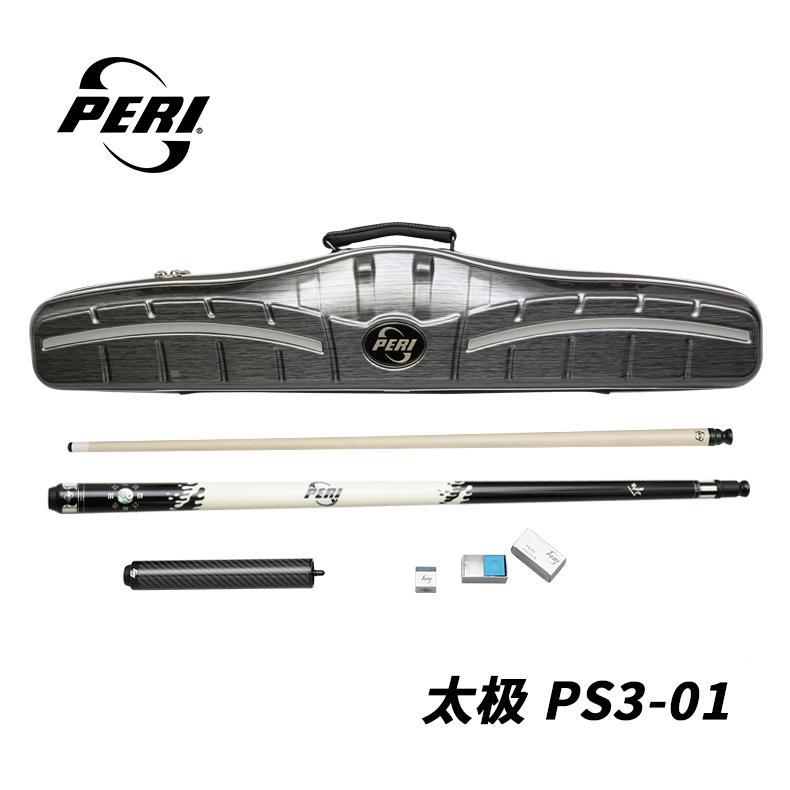
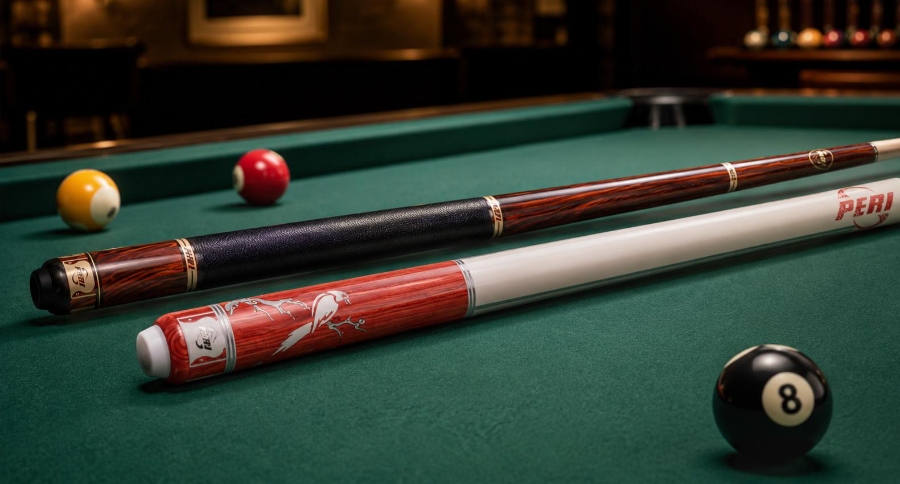
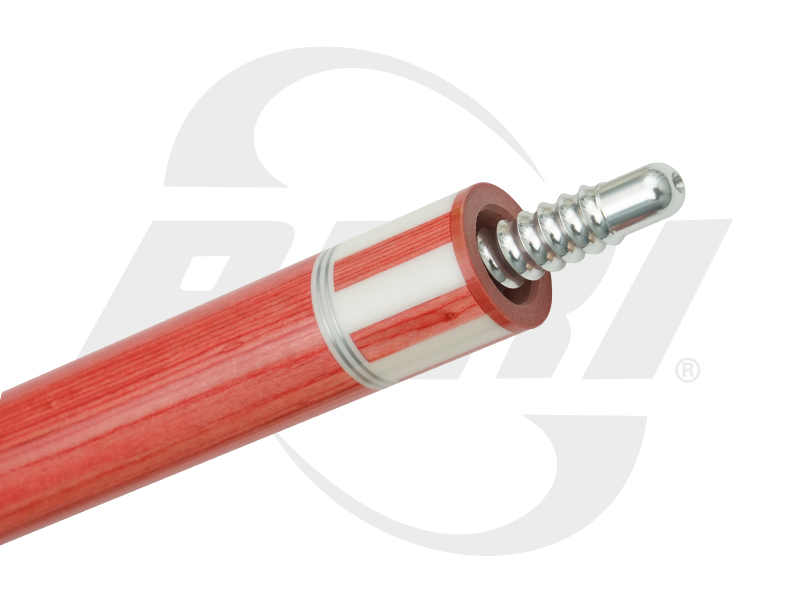
Lay a two-piece pool cue on the table and the layout becomes easy to see. Cue means the whole playing tool, from the leather tip at the front to the bumper at the rear. The shaft is the slimmer front section that carries the tip and ferrule. The butt is the thicker rear section with the grip area, most of the cue's mass, and the bumper. The joint connects those two sections.
At the business end, the tip is the only part that meets the cue ball, so its condition and hardness affect spin. The ferrule protects the end of the shaft. Those details belong to the shaft end; the butt gives you the grip, carries weight, and helps the complete cue swing in the same rhythm from shot to shot.
Let Your Stroke Decide the Shaft
What happens in the last few inches before contact is often traceable to the shaft. A player who wants a clean, direct hit should compare straightness, taper, surface feel, tip diameter, and feedback. A pool cue shaft deserves a few real strokes with a familiar bridge hand, not a decision made from a product photo.
Tip diameter and taper
Tip diameter changes the visual and tactile relationship with the cue ball. A smaller diameter can feel precise, while a larger one can feel steadier on center-ball shots. Neither is automatically better. A gradual taper may suit a long, smooth bridge; another may suit a shorter bridge. Test stop, draw, and soft touch shots with the same bridge length.
Material and surface feel
Wood and carbon-fiber shafts can both work, but surface feel and feedback are personal decisions. Maple may appeal to players who prefer a familiar, lively response; carbon fiber may suit those seeking a different maintenance routine and consistent surface. In either case, the shaft should slide through the bridge hand without grabbing.
The Butt Sets the Rhythm of the Stroke
The butt does quiet work at the rear of the cue. Its grip, diameter, balance, and adjustable-weight options affect whether the back hand stays loose. A rear section that feels too heavy can make a gentle delivery feel forced, while one that feels too light may leave a player searching for timing.
Weight versus balance point
Total ounces and balance point answer different questions. Total weight tells you what the complete cue weighs; balance tells you where that weight seems to sit while you address the ball. A useful pool cue weight distribution test is to make several identical warm-up strokes, then compare how much effort it takes to keep the cue moving straight through the line of aim.
Feel during a test | What it may suggest | A useful follow-up |
Easy to start, easy to stop | The cue may feel light or forward-responsive | Check whether soft draw shots still feel settled |
Smooth through a medium stroke | The cue may have a neutral, familiar balance | Test it over a full rack, not one shot |
Heavy in the rear hand | The butt may carry more perceived mass | Try slow follow-throughs before deciding |
PERI's Jingyuan ME is a concrete example of why the parts should be read separately before a player chooses a full cue. Its North American hard maple P8S shaft, 12.5 mm tip, Hawk Eye Tip II, XTC ferrule, Radial Pin joint, and adjustable weight system describe different jobs within one assembled cue. The specification is useful only when it helps a player decide whether the resulting feel suits regular nine-ball or Chinese eight-ball practice.
A Short Test Routine Beats Spec Guesswork
Before buying, use the same small group of shots with every candidate cue. That keeps the comparison focused on the cue rather than on a lucky pot or a bad table roll.
· Roll five center-ball shots to check whether the shaft tracks cleanly through your bridge hand.
· Play soft draw and follow shots to notice tip feedback and the cue's recovery after contact.
· Shoot one long, routine nine-ball pot to see whether the butt balance helps you stay loose.
· Finish with a controlled break only if you are testing a playing cue for general match use, not a dedicated break cue.
Match the Cue to Your Current Game
The best choice supports the game you play now while leaving room to improve. A pool cue for beginners should feel manageable, straight, and comfortable enough for consistent practice. It does not need every premium feature before the player knows which feedback and balance they prefer.
Developing players can move beyond a first cue by identifying one recurring need: easier cue-ball control, a less tiring rear grip, or a steadier response on longer shots. Knowing how to choose a pool cue is more useful than copying a professional player's exact setup. A newer player needs a cue that makes fundamentals repeatable.
The Takeaway
Read a cue in the correct order: the cue is the whole tool, the shaft is the slim front section, and the butt is the thicker rear grip and weight section. Then spend ten honest minutes with ordinary shots instead of chasing a single number. That small test turns a crowded display into a practical decision and gives a player a better chance of liking the cue after the first week.

FAQ
Is the shaft more important than the butt on a pool cue?
The shaft has a direct effect on front-end feel and feedback, while the butt strongly affects grip, balance, and timing. A cue works best when neither section distracts from a repeatable stroke.
What cue weight should a beginner start with?
There is no universal number, but a beginner should start with a weight that can be moved smoothly without tightening the back hand. Testing a few ordinary shots matters more than copying another player's preference.
Can I replace a shaft and keep the same butt?
Sometimes, provided that the joint and pin are compatible. Confirm the joint specification before purchasing a replacement shaft, because a secure connection is part of how the complete cue feels.
Why does a cue feel different even when the listed weight is the same?
Two cues can share a total weight but distribute it differently. Changes in butt construction, shaft weight, joint, and balance point can all change the sensation of the same listed ounces.
Should a beginner buy a break cue first?
Most beginners benefit more from a dependable playing cue for normal shots. A dedicated break cue becomes useful when a player understands the difference between routine cue-ball control and the special demands of a break.
