





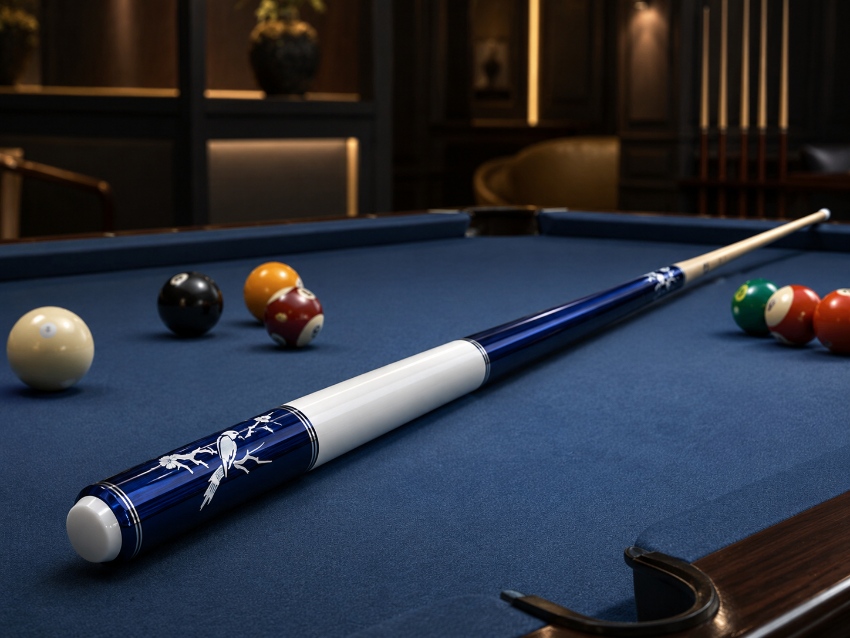


How to Use a Pool Cue: The Ultimate Beginner’s Layout
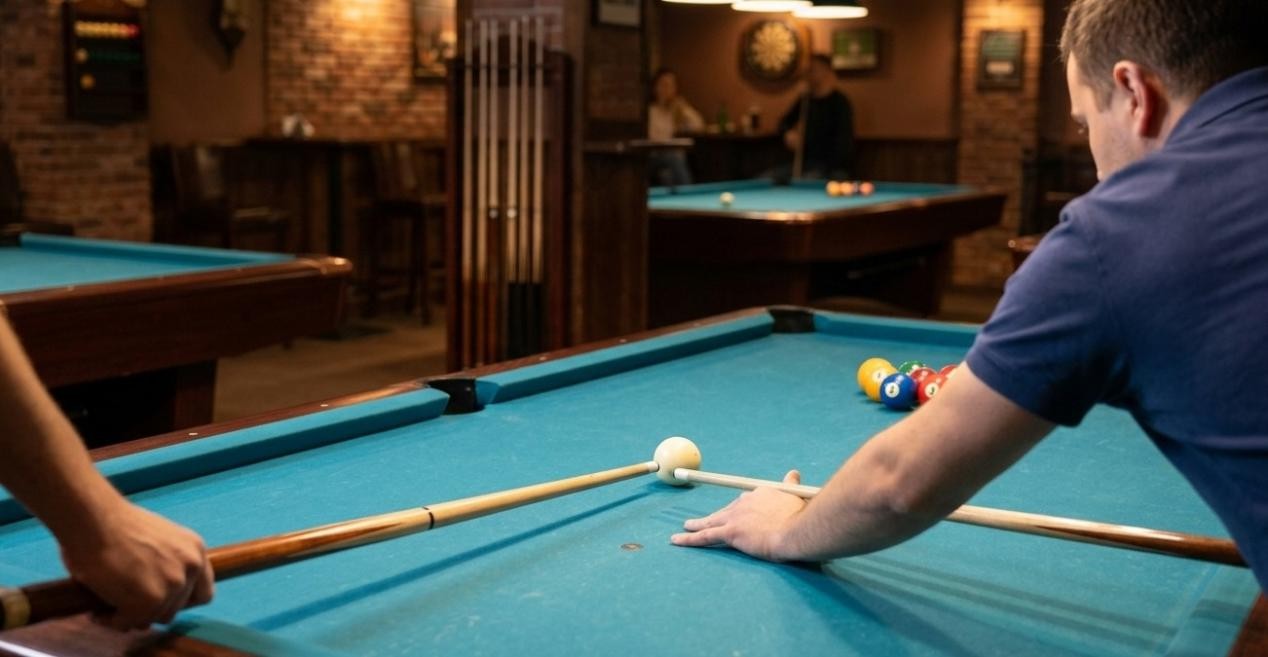
Learning the game of billiards starts well before you take your initial shot. It begins with a solid grasp of the tools you hold. For lots of new players, telling a real, true pool cue apart from a basic house cue feels confusing. This lack of info often causes uneven results and extra annoyance. By looking into the makeup of your tools and getting the basics of managing pool cues, you can boost your skills from simple tavern games to a focused, competitive style.
Why Does Your Gear Matter? Understanding pool cues
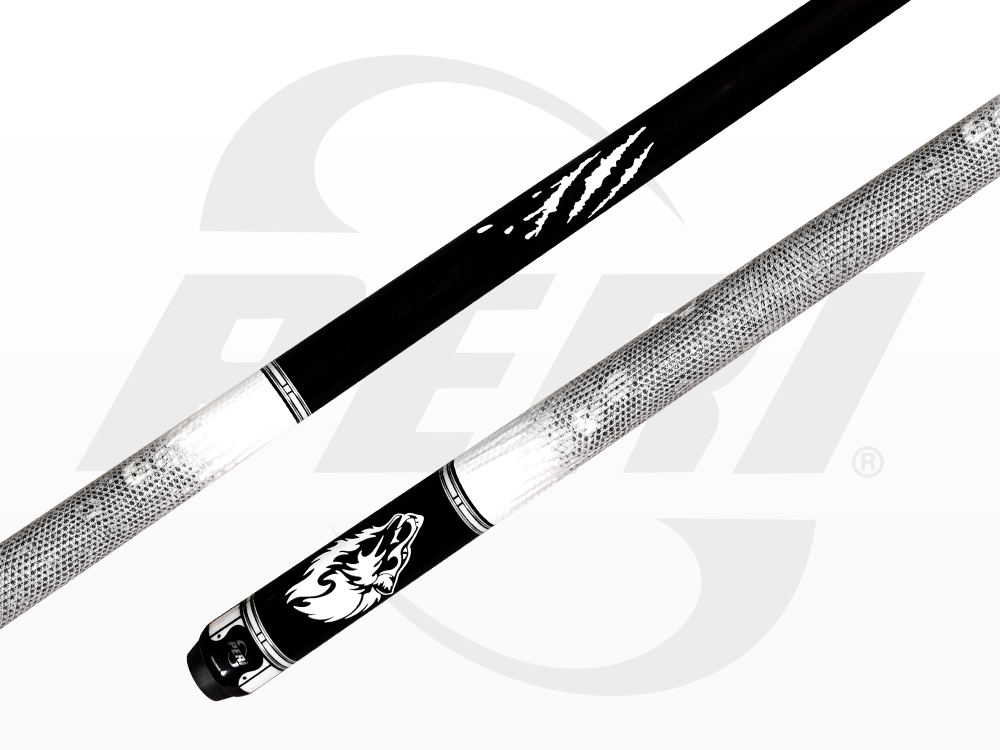
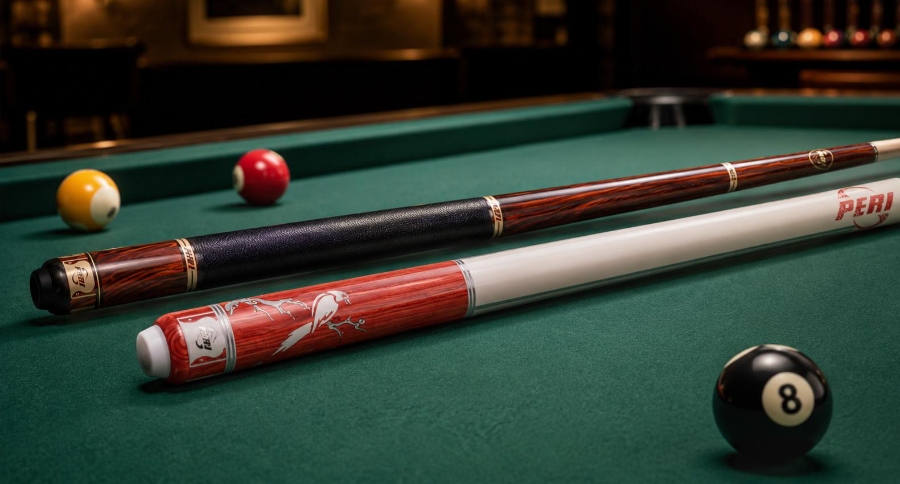
Before you approach the table, every new player needs to know the basic build of a true pool cue. A skilled cue has two main sections: the shaft, which is the slimmer upper part, and the butt, which is the wider lower part.
For those just starting out, picking solid beginner pool cues is key to building good habits in your movements. House cues differ because they tend to be bent, off-balance, or fitted with old tips. In contrast, skilled tools offer the steady results needed for quick progress.
Term | Definition & Characteristics | Significance for Beginners |
playing cue | Professional cue, focused on energy transfer & accuracy | Core equipment for consistent shots |
break cue | Sturdy design, built for the opening break | Maximizes explosive power, protects playing cue |
jump cue | Short, lightweight, used for jumping the cue ball | Essential for advanced technique practice |
house cue | Club-provided equipment, inconsistent quality | Suitable only for casual, recreational play |
In the area of pool cues, skilled tools give reliable responses. PERI shows this through its approach to making items.We stick to the “true nature of original wood” and use strict worldwide sourcing for materials. As a result, the base of a strong game comes from fine timber and careful work.
What Are the Best Beginner Pool Cues to Start With?
Picking beginner pool cues can confuse you with all the sales talk. The real value of a cue shows in its choice of materials and how it is made. When you select your first true pool cue, remember these points.

· Weight Distribution: A true pool cue needs good balance. A wrong weight setup can cause an awkward, strained motion.
· Grip Feel: The grip ought to fit your hand size and feel right, since it is your main touch point with the cue.
· Durability: New players often knock their cues on the table. Selecting a type made from strong, good wood proves a smarter choice over time than low-cost, covered options.
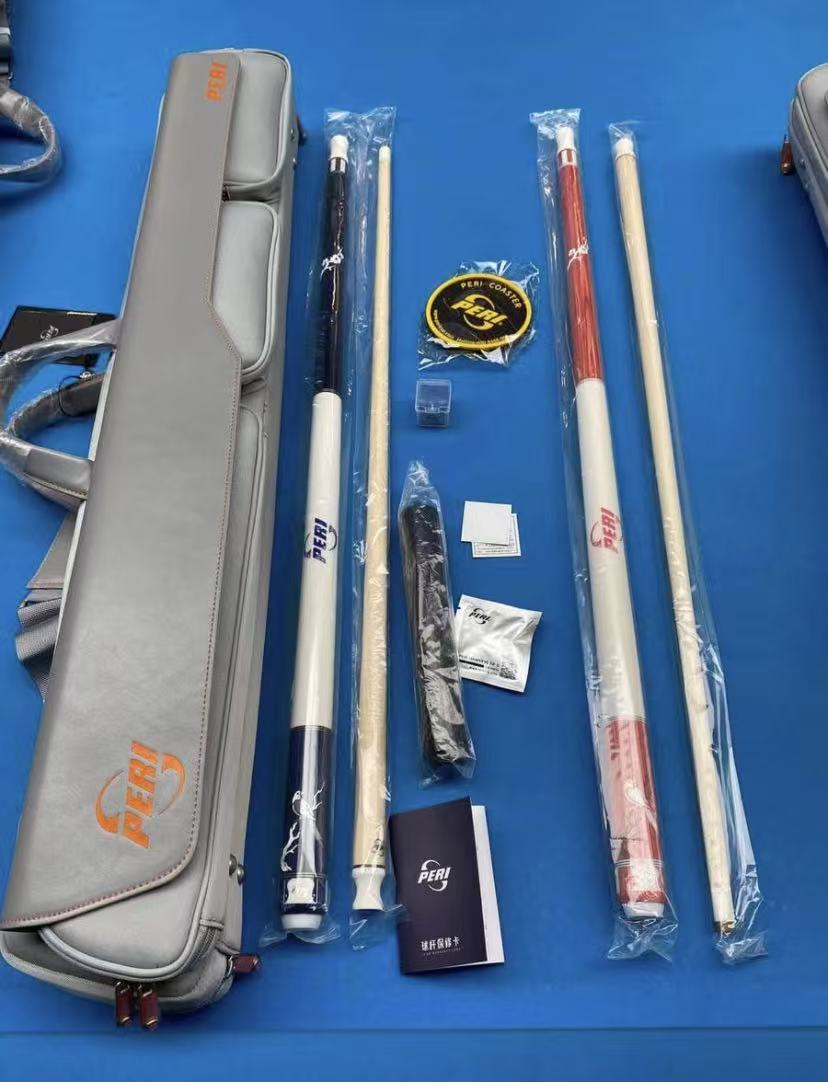
A complete kit matters a lot. Besides the cue, good chalk is also an important factor. It helps stop slips and keeps your true pool cue in top shape for longer.
How to Properly Handle and Care for a True Pool Cue?
Getting good at using the pool cues means more than just pointing. It calls for the right ways to hold it so you keep your gear safe.

· Proper Grip Technique: Grasp the butt part with a calm, steady hold. Too much tightness can block your smooth finish.
· Maintenance and Cleaning: Wipe the shaft to keep it neat, and steer clear of high moisture or warmth around your true pool cue. Those can lead to bending.
· Assembly Protocol: Join the shaft and butt with care, at a slow pace. Make sure the connection is firm to avoid any side shifts.
If you want to get better, try adding items like carbon fiber or wood add-ons. They help you reach far balls while keeping the steady feel of your setup intact.
How to Progress: From Beginner Pool Cues to Professional Play
As you get used to your pool cues, you might find entry-level items too basic. When the time comes to advance, think about these steps.
· Performance Upgrades: For better control over the cue ball or stronger energy flow, switch to a top-level playing cue.
· Accessory Optimization: Add a cue extension to increase your reach, or use pro chalk to enhance grip for every hit.
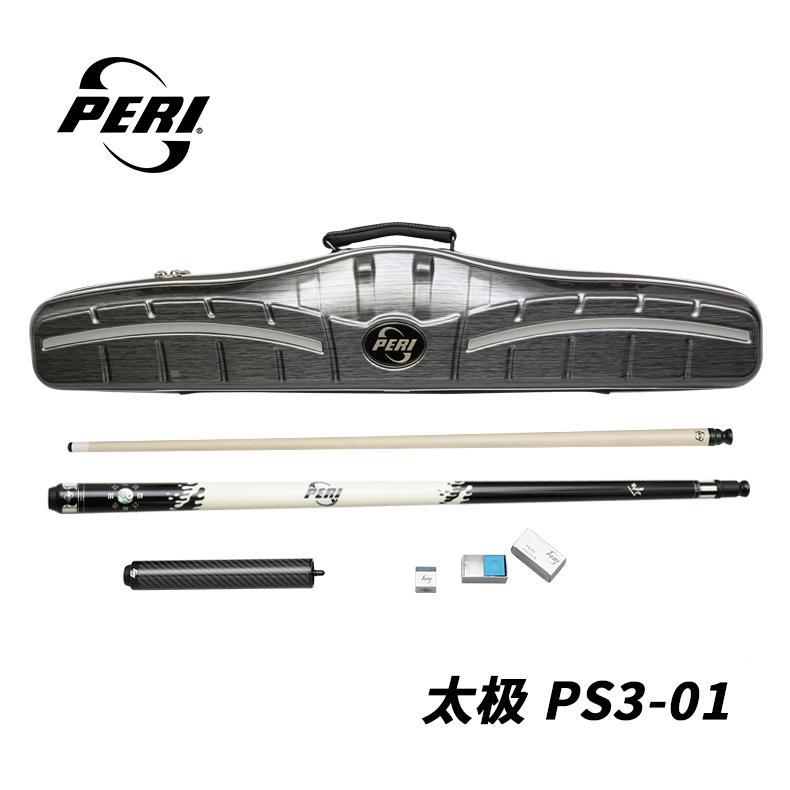
· System Matching: Skilled players rely on a “system.” This includes a set playing cue, break cue, and jump cue. Each one is designed just for its job on the table.
In the end, your cue acts like part of your arm. Putting money into the proper tools means putting money into your growth as a player. This approach helps you build skills steadily and enjoy the game more over time.
Conclusion
Getting skilled at pool cues is a craft that grows from the close match between you and your tools. Selecting a true pool cue goes beyond just success. It builds a firm, dependable base for your methods. No matter if you are new or pushing ahead, picking a trusted name like PERI makes sure your gear gives the strong support you need to raise your play to new heights.
Q: How should a beginner select their first true pool cue?
A: Pay attention to balance and how the shaft works. Pick beginner pool cues from known brands that share details on their materials, and check that the shaft size feels good in your hand.
Q: How often should I replace the tip or clean the shaft?
A: It varies with how much you play. In general, clean the shaft when it starts to feel sticky or looks dirty. Swap the tip if it flattens out or gets too flat from use.
Q: What is the main difference between a professional playing cue and a house cue?
A: The key gap is in steadiness and response. A true pool cue gives better power pass and steady outcomes, which lets you guide the cue ball's direction with care.
Q: How do I distinguish between different types of pool cues?
A: Tell them apart by their build and aim. Playing cues stay even for precision, break cues feel solid and tough for force, and jump cues stay brief and easy to handle for quick moves.
Q: Besides the cue, what basic accessories do I need?
A: You need items like fine chalk from the PERI line, a tough cue case, and maybe add-ons for tough shots. All these help you manage your pool cues with more ease and skill.
