







How Grip Pressure Changes the Way You Hold a Pool Cue and Transfer Power

Plenty of players wrongly think that building a strong force means squeezing the cue hard. In truth, clamping down on the wrap mainly leads to lower precision and an unexpected curve. Knowing how to hold a pool cue well has little to do with the strength of your fingers. Instead, it centers on the clear flow of power. A strong hold blocks the motion energy from your bridge and swing. That energy never makes it to the cue ball.Using a professional competition pool cue requires a delicate touch to fully release this potential.
To reach pro-level outcomes, players need to grasp the link between hand tightness and the gear’s basic traits. A smooth swing lets the cue become a natural part of the arm. This setup keeps the energy moving straight and steady. Such harmony marks skilled play. It sets casual players apart from experienced pros who value touch and response more than raw strength.
Defining the “Ideal” Grip Pressure for Power Transfer
The key to a skilled swing lies in a hold that feels easy but steady. Experts call it “calm without being slack.” This setup lets the cue shift a bit in the hand on the pull-back and push-forward. It stops the end from rising or drifting away. When learning how to hold a cue, the sense from the handle matters most.
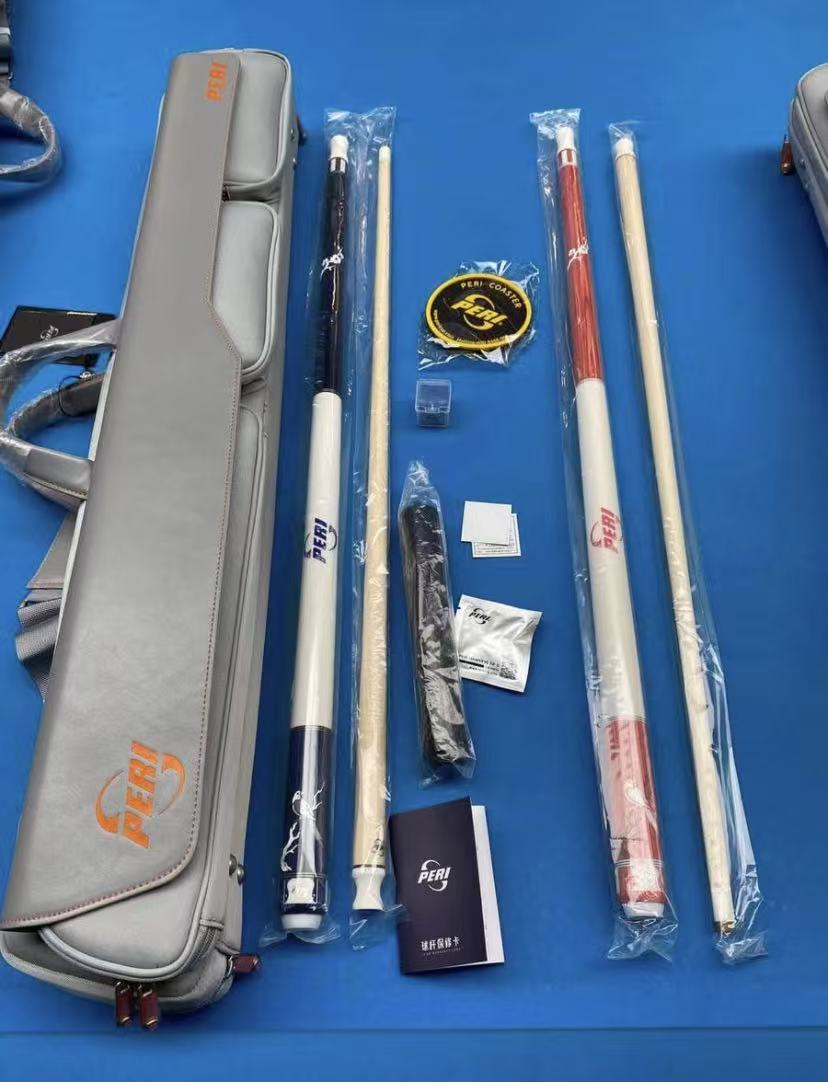
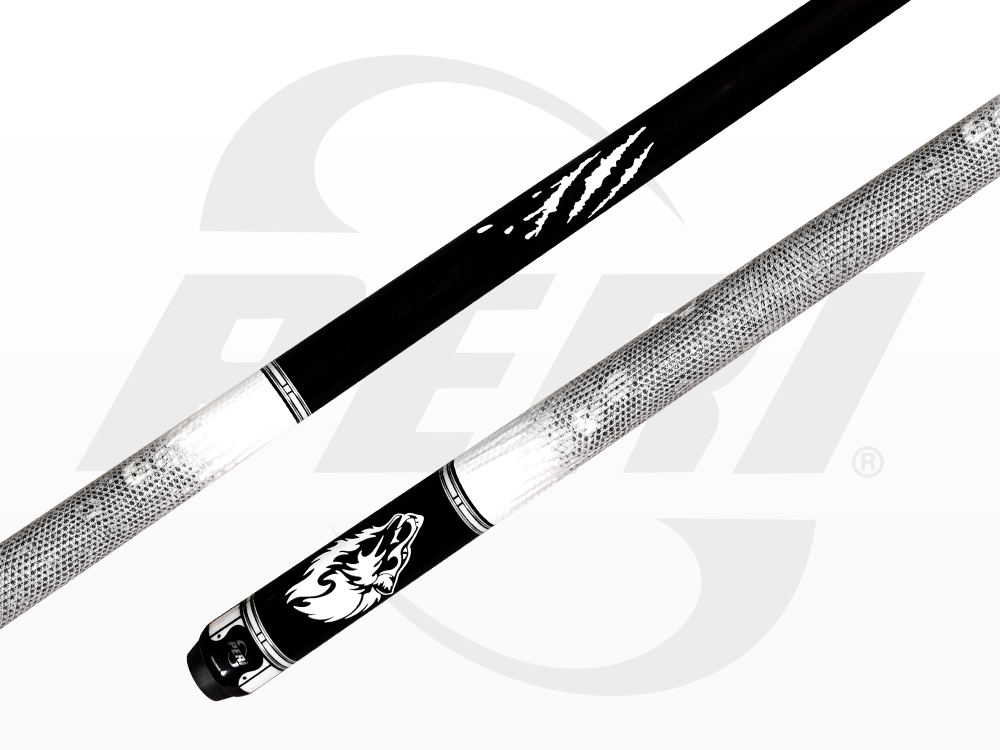
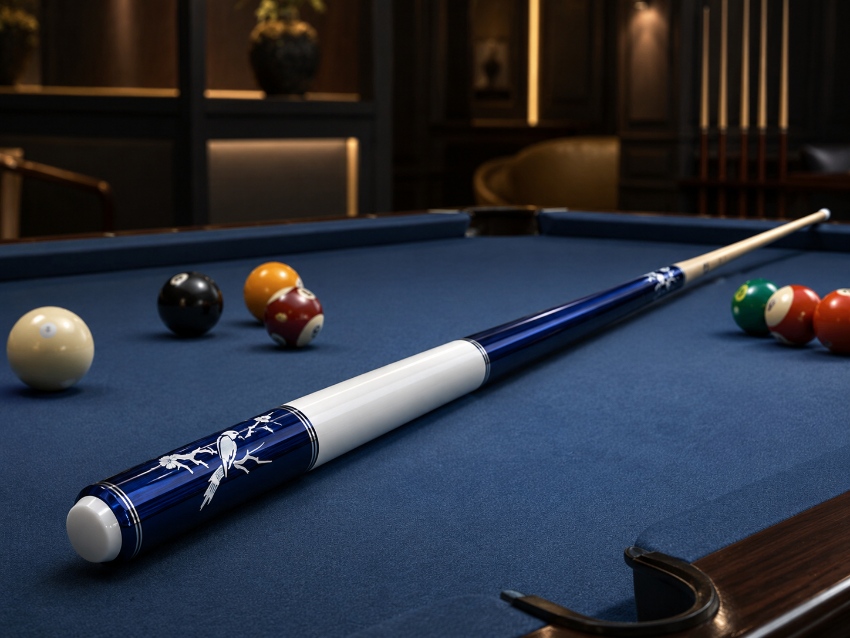
Top gear, like a finely made carved pool cue, includes certain surface feels to support this gentle hold. For example, detailed raised designs or “Five Blessings” handle patterns offer a natural grip. These handmade touches go beyond looks. They help keep a firm grasp with little muscle effort. Engravings and inserts boost the touch area. As a result, these cues give enough hold for big-force hits. At the same time, the player’s hand stays fully at ease.
Feature | Impact on Grip Pressure | Benefit for Power Transfer |
Embossed Carving | Increases surface friction naturally | Reduces the need for manual “tightening” |
Radial Pin Joint | Enhances structural rigidity | Ensures energy travels from butt to tip without loss |
Balance Point Tuning | Optimizes weight distribution | Keeps the cue stable during the acceleration phase |
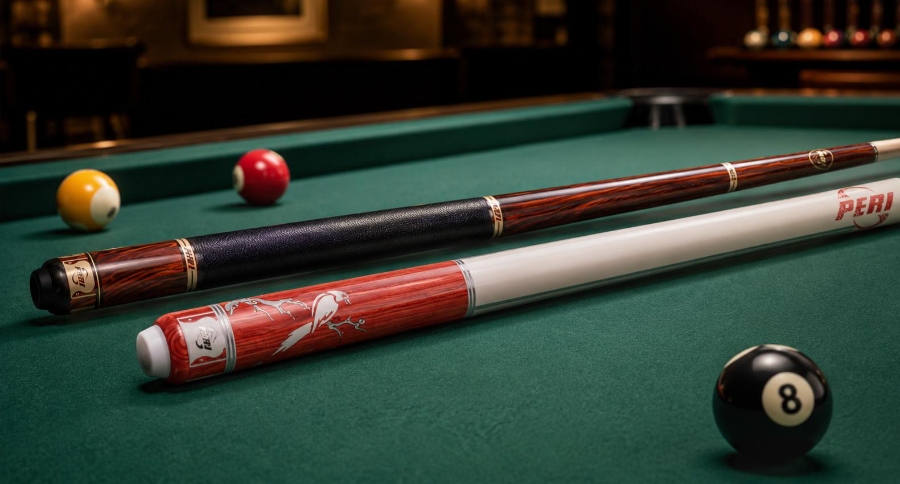
North American Maple | Provides high-density feedback | Quality pool cues made from this timber allow the player to “feel” the hit through a light grip. |
How Excessive Tension Compromises Accuracy and Equipment Performance
A hard squeeze on the cue starts a series of body and gear issues. On the gear side, holding too tight pulls in the big arm muscles and fixes the wrist. This stiffness blocks the wrist snap at contact. That snap helps time the hit right. Without it, the power comes out unevenly or slanted. It often lifts the cue’s back end up or to the side. This brings miscues or extra spin.

For business buyers, this explains the focus on weight setup. A cue out of balance makes players squeeze more to fix a front-heavy or back-lagging feel. Gear without good balance causes spotty results in groups of rented or sold items. Over time, this hurts the business’s image. Pro tools need to support a soft touch. This lets the front part's natural rules work as planned.
Interaction Between Grip and Material Engineering
The hold style on a pool cue shapes how you sense the shakes from the hit. A P8S-level North American Hard Maple front gives a steady feel. This steadiness shines when the hold stays light. An easy hand works like a keen detector. It catches the soft “thump” or “snap” of a good ball strike. A tight fist muffles these shakes. The player loses the clues to tweak the next move.
The link between the back and front also counts a lot. Exact joint setups, like radial or python-pattern fittings, aim to cut energy waste. When players learn how to hold a pool cue with low tightness, these joints send all the swing’s drive through the cue’s middle. This gear match turns even a slow swing into strong ball action. It works as long as hand tightness does not block the power path.
Step-by-Step Guide to Achieving Stable Power Output
Building control over the swing’s body rules calls for a planned way to place the hand and manage tightness. Professional equipment, such as the JISU series cues, is designed to enhance this tactile feedback.

- Locatethe Balance Point: Before striking, find where thecue balances on one finger. Your grip hand should generally be positioned1-2 inches behind this point to allow the weight of the cue to do thework.
- Establishthe “V” Support: The primary connection in how tohold a pool cue is the cradle formed by the thumb and index finger. Theremaining fingers should merely rest on the wrap to guide the direction.
- DynamicTransition: During the final stroke,the grip should remain light during the backswing, slightly firming uponly at the millisecond of impact to ensure the cue doesn’t slidebackward, then immediately relaxing for the follow-through.
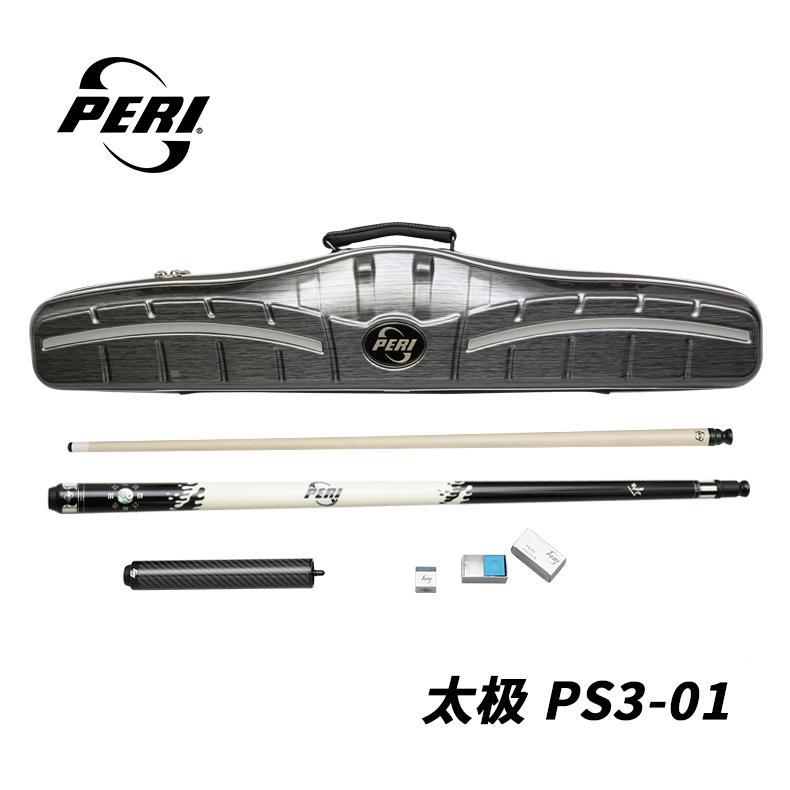
- ExtensionAdjustment: When using a 20CM carbonfiber extension, move your grip hand slightly forward to maintain theoriginal pivot point and prevent the cue from becoming “back-heavy.”
Critical Factors for High-Performance Wholesale Procurement
For sellers and shop owners, grasping hold and power rules help pick stock that hits pro marks.
- Adjustability:Cues featuring modular weight systems are top-selling B2B items becausethey allow end-users to customize the balance to fit their specific gripstyle.
- Material Longevity:Premium North American Maple that has undergone a 5-year natural seasoningprocess is more resistant to the warping caused by the heat and moistureof a player’s hand. This protects the distributor from high after-salescosts.
- Technical Innovation: Brands like PERI invest heavily in R&D toensure their carved pool cue series offers both the visual prestige andthe technical transmission required for competitive tournament play.
Conclusion: Unleashing the Potential of Professional Equipment
Getting grip tightness right links having fine gear to playing like a pro. Players gain by moving from “striking with force” to “holding in the right way.”This opens up the real power flow in their tools. Be it the detailed surfaces of a carved pool cue or the careful build of a hard maple front, the parts work best with little hand meddling.
FAQ
Q: Why is the weight balance of a PERI carved pool cue considered more professional than standard cues?
A: PERI builds around a “low-curve” weight setup. A carved pool cue tends to have complex back designs. Keeping the weight center exact proves tough. PERI adds inside weights measured to the tiniest bit. When you pick up how to hold a pool cue from this line, the heft works with your usual swing instead of against it.
Q: How does grip pressure affect the power transmission of a PERI shaft?
A: Squeezing hard makes a “locking” action that soaks up the maple’s built-in bend energy. Keeping the hold soft lets the PERI P8S front shake at its own rhythm. This turns into a sharp, stronger strike with far less work.
Q: Will improperly holding a pool cue affect the lifespan of a PERI cue?
A: PERI builds cues to last. Still, always gripping with full force can wear down the outer layer early. In bad cases, it stresses the joint spot. Mastering the correct way to hold a pool cue keeps the build strong for seasons of match use.
Q: How can I optimize how to hold a cue based on the center of gravity in a PERI design?
A: Most PERI cues come with a bit of front-leaning weight sense to aid even push-forward. To best your how to hold a cue method, spot the exact weight center on your piece. A front-leaning setup lets you ease the hold more. The cue’s own mass helps the swinging action.
Q: Does PERI’s joint technology prevent slipping when using a carved pool cue for power shots?
A: Yes, PERI’s finely cut radial pins form a tight wood-to-wood or metal-to-wood tie. Even with a very soft hold on your carved pool cue, the joint stays firm. It avoids bending or power leaks. You get a steady hit on fast break plays.
