







How to Choose the Perfect Cue Tip for Consistent Shot Control?
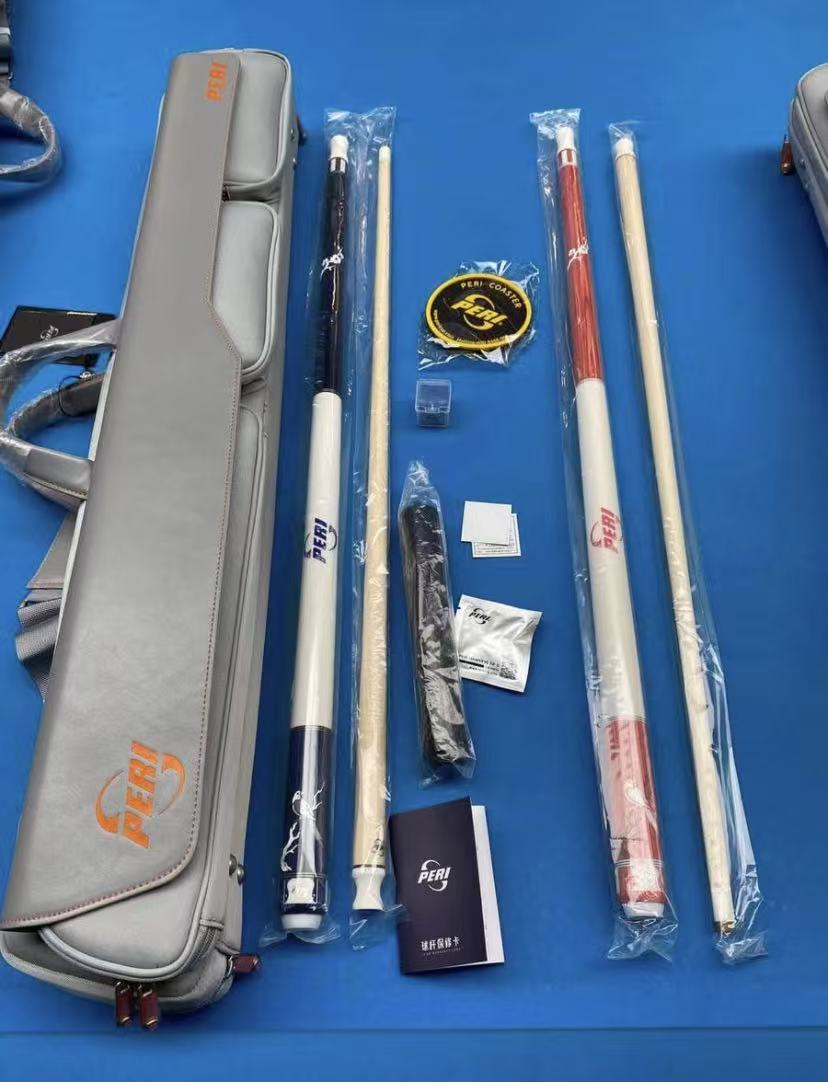
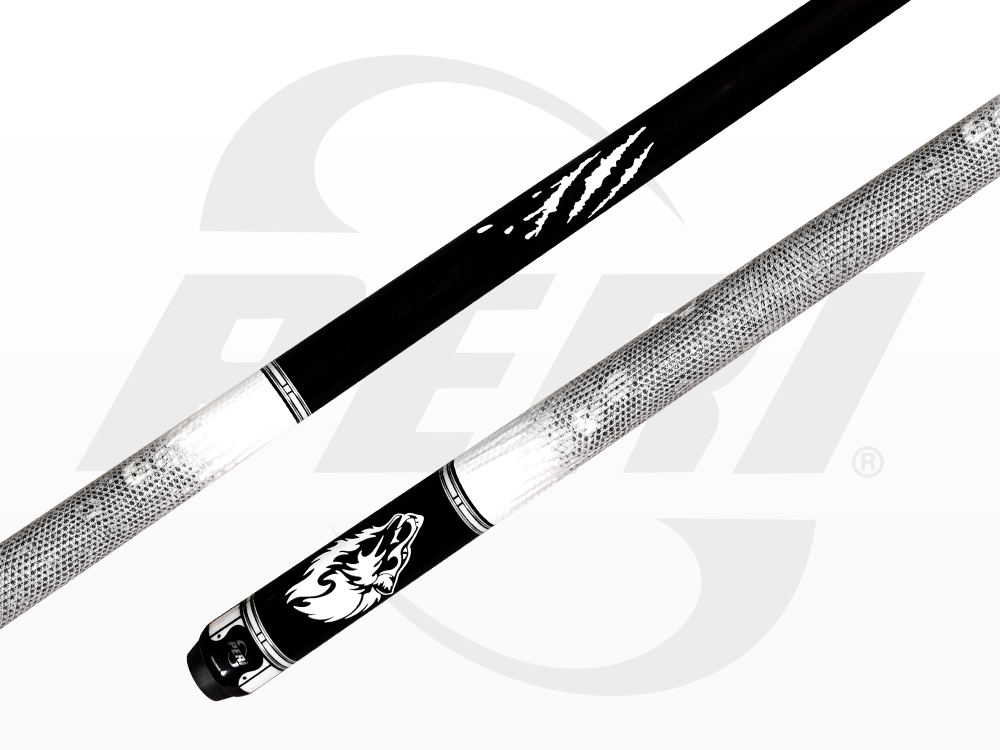
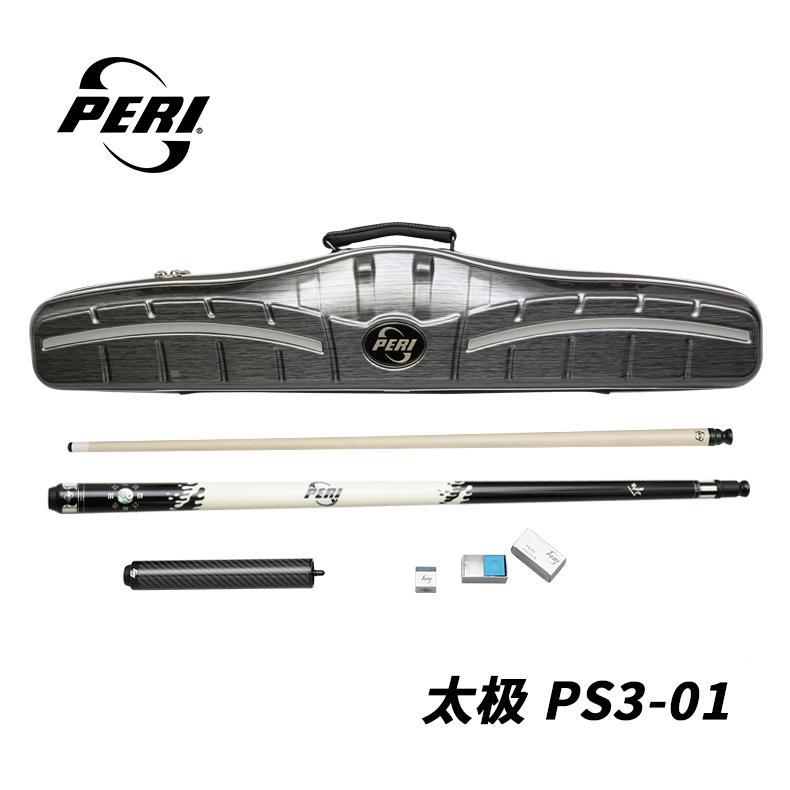
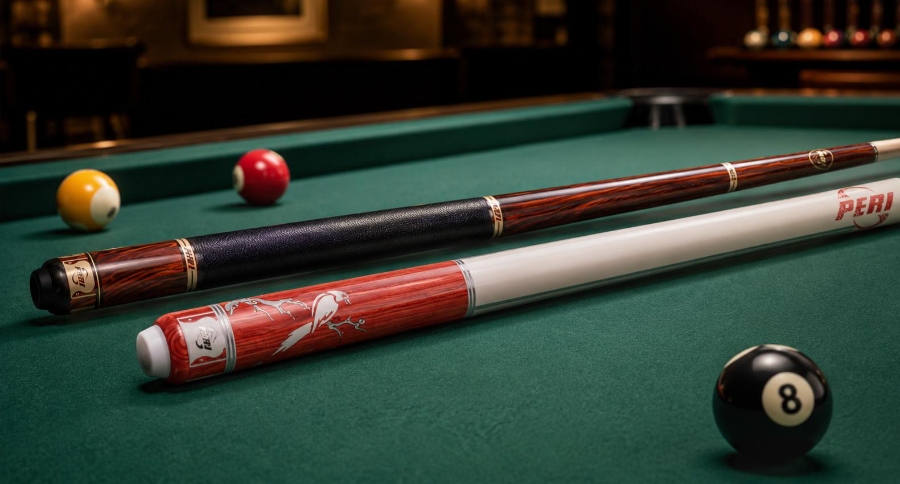
 In the professional billiards field, the detailed specs of gear act as a main link between a player’s goal and the actual outcome on the table. For sellers, venue managers, and shop owners, it is essential to grasp that the cue tip is the sole part that touches the cue ball directly. Picking the ideal cue tip goes beyond appearance; it is a key choice that affects grip, power delivery, and shot reliability. Top-notch gear reduces errors such as miscues and helps players reach professional-level results. By emphasizing carefully made parts, companies can deliver a better playing setup that fits the strict needs of today’s competitive billiards.
What is the Perfect Cue Tip for Professional-Grade Control?
A pro-level tip drives the force of a billiards hit. While basic single-layer leather tips used to be common, modern design has moved to stacked builds. The ideal cue tip now often comes from several layers of fine pigskin, which are joined under heavy force. This stacking method makes sure the tip keeps its form and thickness for a longer time than older options.
The practical aim of this build is to improve “dwell time”—the brief moment when the tip touches the cue ball. A tip with a good mix of bounce and solidity lets the ball grips the ball well, which matters for creating spin and keeping aim accurate. The PERI tip shows this top design, using high-pressure compression to form a firm base. This keeps the material tough even after repeated heavy impacts, and it retains its chalk-holding power.
|
Feature |
Technical Advantage |
|
Multi-layer Structure |
Consistent density and longer product lifespan |
|
High-Pressure Compression |
Prevents premature softening and maintains shape |
|
Material Sourcing |
Premium selected pigskin for superior elasticity |
|
Radial Consistency |
Uniform response across the entire striking surface |
Why is Tip Hardness the Most Decisive Factor in Your Selection?
For business buyers and equipment managers, tip hardness stands as the top spec to consider when selecting cues. Hardness usually falls into three groups: soft, medium, and hard. Each fits a certain role and suits various playing styles.
- Soft Tips: They offer the longest dwell time and thestrongest hold, so they suit players who use lots of spin and skill. Yet,they need more regular care since they deform more quickly.
- Medium Tips: They give the right mix of spin and lastingpower, making medium tips the most flexible choice for billiard spots andpro stores. They deliver a good response while holding steady form overmany rounds.
- Hard Tips: Power users and break cues favor hard tips,as they transfer full energy with little give. They last well and maintainshape, which makes them a smart pick for busy settings.
FAQ
Q: How often should a professional club replace its pool cue tips?
A: For busy clubs, cue tips need weekly checks and are usually replaced every 3 to 6 months, depending on usage frequency and leather hardness. Keeping a consistent maintenance schedule ensures the usability of your venue cues remains reliable.
Q: What is the advantage of a multi-layer PERI tip over a single-layer tip?
A: A multi-layer PERI tip brings better form holding and steadiness. Unlike single-layer tips that might have inside gaps or uneven thickness, the stacked build makes certain every hit feels uniform, giving the “rock-solid” base needed for pro play.
Q: Can the perfect cue tip help reduce miscues for amateur players?
A: Yes. The professional billiard tips work to grab chalk better and keep its hold on the cue ball longer. This extra grip greatly lowers the risk of the tip gliding off the ball, even when the player’s skill is still growing.
Q: Which hardness is best for a general-purpose pool cue tip inventory?
A: Medium hardness works best for a varied stock. It gives a nice feel for most players, with enough hold for spin yet tough enough for the regular heavy use in business spots.
Q: How do I maintain the shape of my PERI tip?
A: Use a tip shaper to keep a consistent curve. For a PERI tip, which is made to be very tough, routine gentle roughing will help keep the face open and ready to hold chalk, making sure steady shot handling in every game.
