





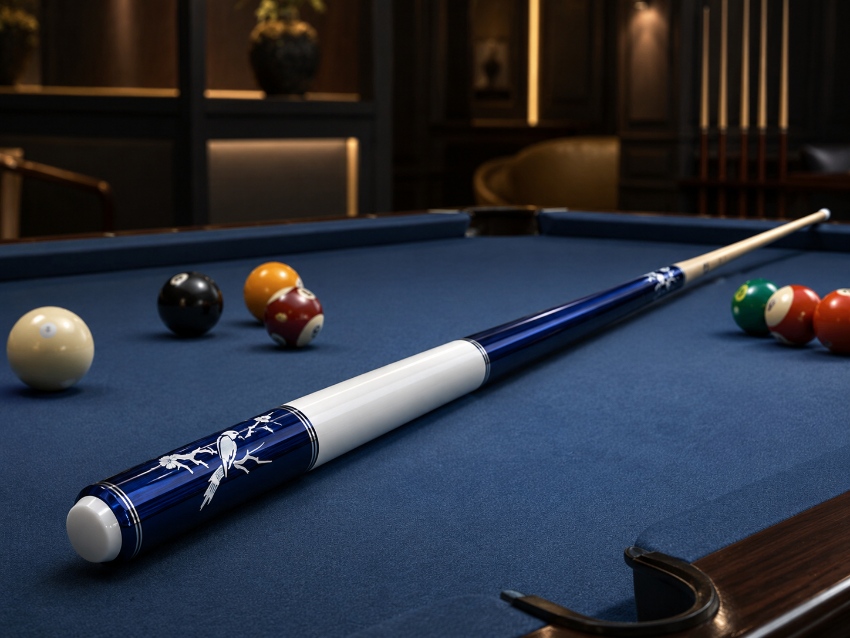


What Role Do Jump Cues Play in Modern Professional Pool
One wrong move in big-time pool shooting can cost everything. A split-second shift - from disaster to calm - might come not from skill but from where the balls are placed. When someone gets stuck, literally, behind a barrier cue, their choices are once narrowed to hacking balls off walls. That path? High risk, little control.
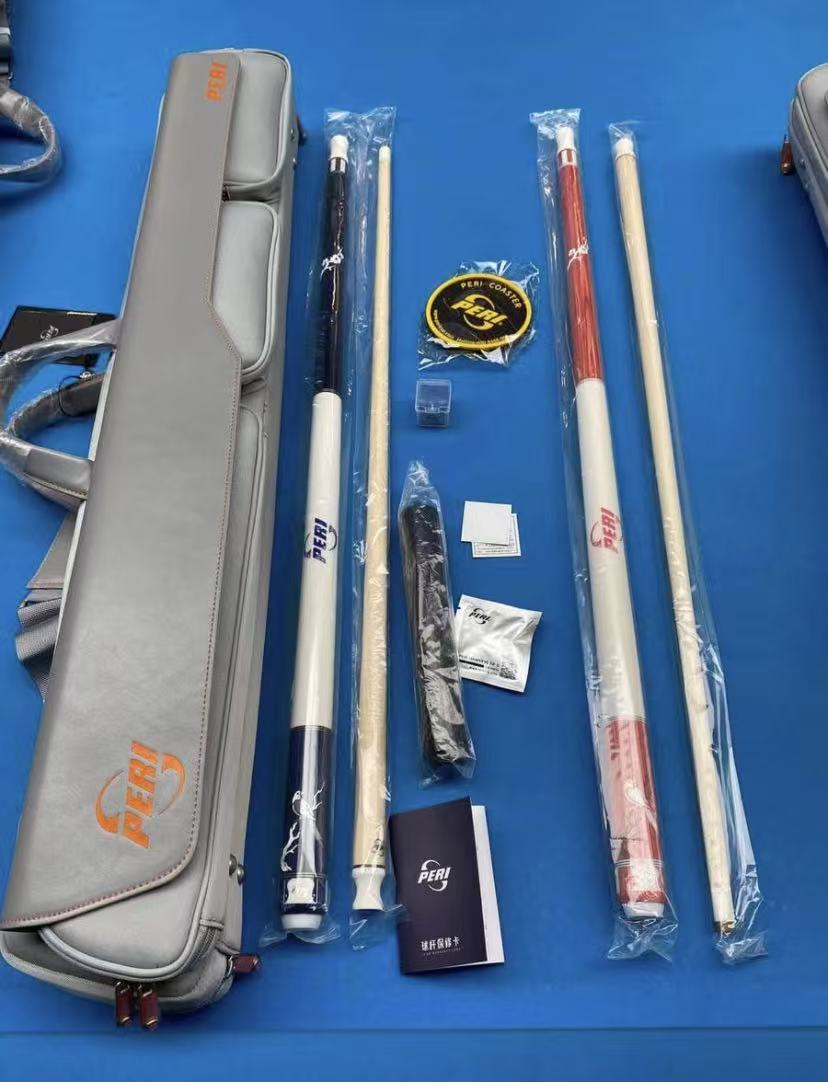
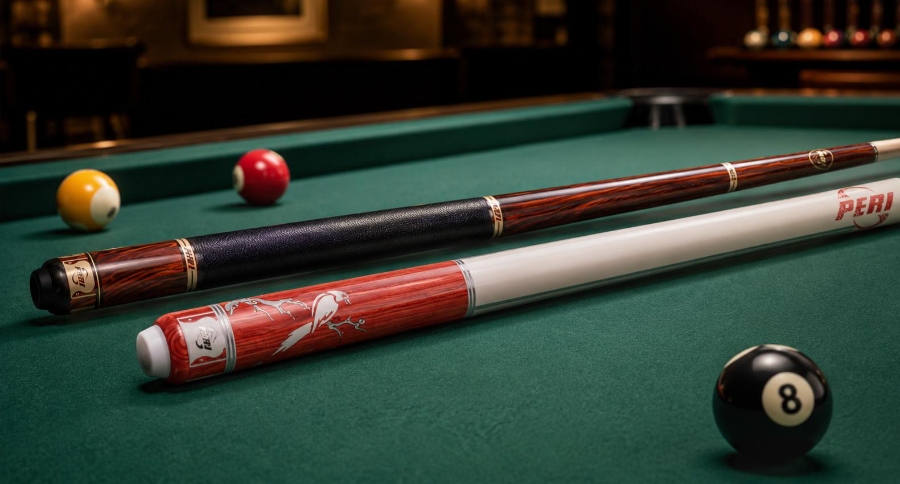
Today, however, the “airborne” strategy has redefined the game. The specialized jump cue has transitioned from a niche accessory to a strategic necessity for any player using high end cue sticks. This evolution has been fueled by leading pool cue companies that have mastered the art of combining natural wood physics with precision engineering.
What Defines a High-End Jump Cue in Today’s Game?
A high-end jump cue is far more than just a shortened pool stick. It is a precision instrument designed to solve a specific physics problem: how to generate instantaneous lift without sacrificing accuracy.
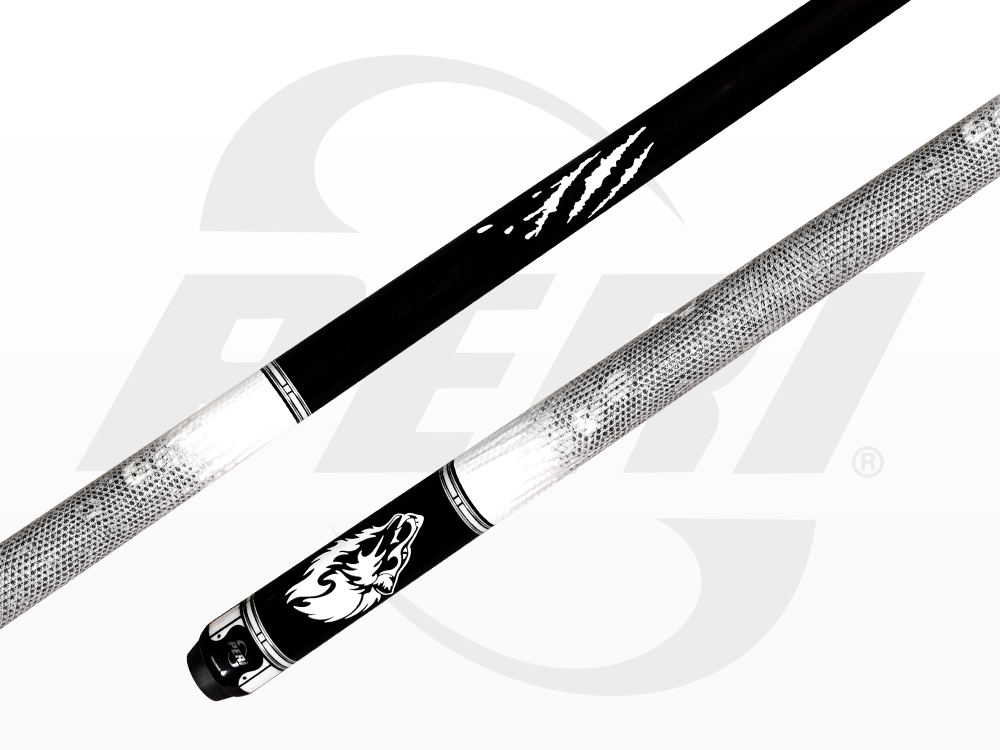
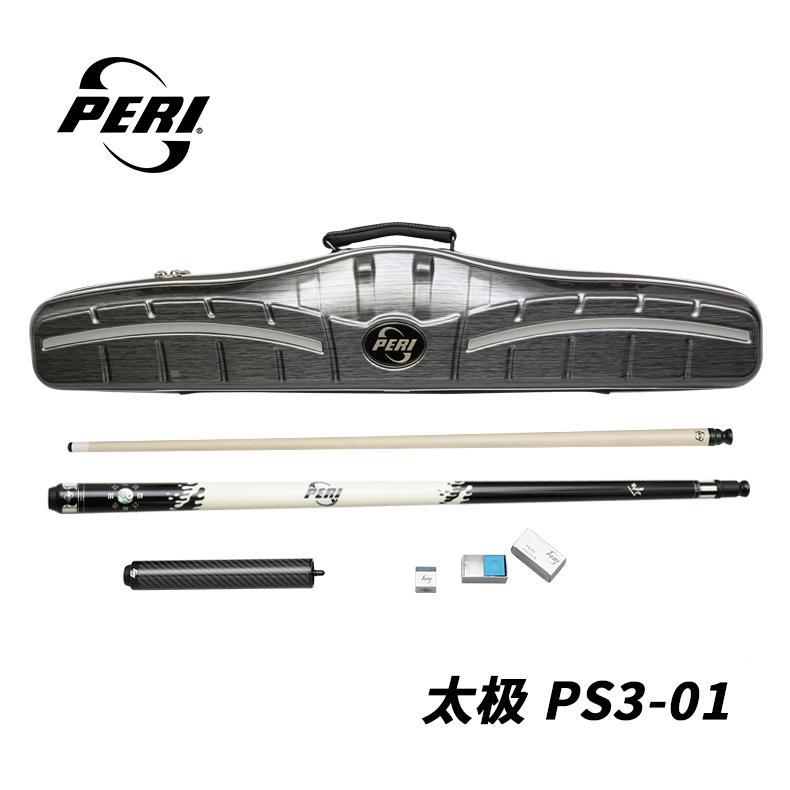
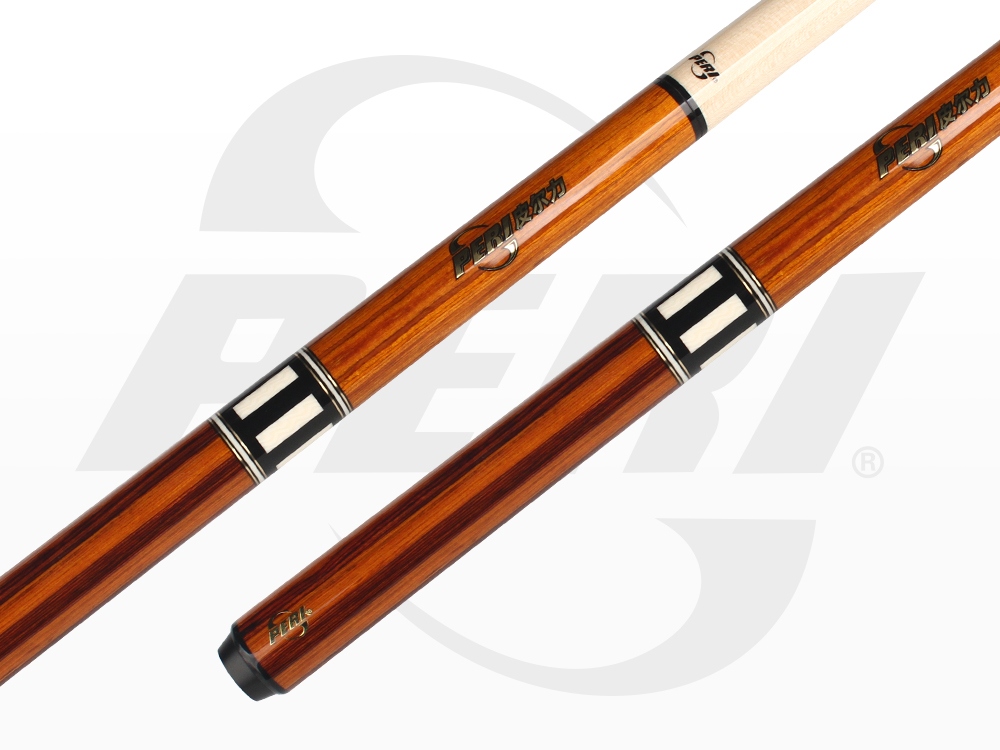
Unlike standard playing cues, professional peri jump cue emphasizes several critical engineering factors:
l Stringent Material Selection: Top-tier manufacturers prioritize high-density woods like North American maple and rare timbers.
l Scientific Dehydration: Instead of using chemical treatments that can compromise wood fibers, premium wood is treated in constant temperature and humidity rooms. This slow dehydration preserves inherent elasticity and toughness, ensuring the cue doesn’t warp over time.
l Precision CNC Machining: Modern CNC technology ensures that every cue is perfectly rounded and that the concentricity between the shaft and the butt is flawless, which is vital for effective power transmission.

Comparative Features of Jump Cues
Comparison Item | Normal Jump Cue | PERI Jump Cue |
Material | Typically made from basic wood or synthetic materials, with lower elasticity and stability. | Made from North American hard maple and 3K carbon fiber for high strength and stability. |
Weight | Heavier, which may affect control and jumping efficiency. | Lightweight (9.5oz - 10.5oz), providing better control for precise jump shots. |
Design & Appearance | Simple design, generally focused on affordability rather than aesthetics. | Unique designs with transparent or carved protectors, combining aesthetics with functionality. |
Accuracy & Control | Average accuracy and control, suitable for recreational players. | Superior precision and elasticity, ideal for professional or competitive players. |
Jump Shot Effectiveness | Jump shots may require more power and technique. | Highly precise jump shots, ideal for various jump shot scenarios. |
Why Every Professional Player Needs a Specialized Jump Cue
The modern professional game is more aggressive than ever. Relying solely on cushion kicks—once the standard for escaping safeties—is no longer sufficient at the highest levels.
l Overcoming Defensive Walls: A specialized jump cue allows a player to bypass an obstacle ball entirely. This forces the opponent to rethink their defensive strategy, as a “safe” position is no longer truly safe.
l Accuracy and Control: While some “break and jump” combo cues exist, dedicated jump cues are balanced specifically for a short, vertical stroke. This specialization provides better control over where the cue ball lands after the jump.
l The Professional Edge: Leading brands often collaborate with world-class players, such as Dai Yong and Zheng Xiaohuai, to refine these tools. Their feedback ensures that the jump cues can handle the rigorous demands of international competition, such as the CBSA World Nine-ball Open.
Jump Cues and Professional Rules: Skill Still Matters More Than Equipment
Even though they show up more often, jump still depend on skill. When athletes compete at high levels, making shots follows precise guidelines - precision matters most. A clean strike targets the upper part of the ball, no sloppy angles or bumpy follow-throughs - officials watching live broadcasts catch even cues minor errors.
A top-tier jump cue never pushes the ball upwards. Rather, it boosts solid technique - like sharp cue lift, steady speed rise, and precise strike zone choice. If basics fall short, superior tools fail too, spitting out errors instead of results. That is why skilled players do not see the jump cue as a help or substitute, rather as something precise meant to enhance exact movements - something demanding real ability instead of masking lack of it.
How to Choose Between Leading Pool Cue Companies?
When selecting a jump cue, the reputation of the manufacturer is a primary indicator of quality. Professional pool cue companies distinguish themselves through rigorous testing and official certifications.
· Check for Quality Inspection Reports: A reputable company should provide a report covering straightness, concentricity, and paint finish (including hardness and abrasion resistance).
· Verify Tournament Usage: Look for brands that are the official cues for major leagues like the LCBA or CBSA. This proves the equipment can perform under the pressure of televised professional events.
· Assess the R&D Process: The best companies don’t just manufacture; they innovate. Brands that integrate professional player feedback into their design cycle typically produce cues that feel more “intuitive” in a match.

Conclusion
The role of jump cues in modern professional pool is undeniable. They have transformed the game from a two-dimensional battle on the cloth to a three-dimensional tactical challenge. By investing in equipment from world-class pool cue companies, players gain access to the same technology used by champions in international arenas.
Whether you are navigating a difficult safety or looking to add an aggressive edge to your play, the right jump cue—built on a foundation of “rock-solid” quality and professional R&D—is your best asset. Explore the professional-grade lineup at PERI to find the tool that will take your game to the next level.
FAQ
Q: Why is a jump cue shorter than a standard cue?
A: A shorter length (typically around 41-47 inches) allows for the steep, near-vertical bridge required for a jump shot. It reduces the weight and makes the cue easier to handle during the specialized “dart” or “pendulum” stroke used to lift the ball.
Q: Can I just use my break cue to jump?
A: While some “break and jump” cues are versatile, a dedicated jump cue is superior for precision. Jump cues have a different balance point and a flatter, harder tip designed specifically to create lift without the “deflection” often found in heavier break cues.
Q: Do jump cues use special tips?
A: Yes. Professional jump cues often use extremely hard tips, such as the Leap Jump Cue Tip or specialized layered tips like the Night Fury. These materials prevent energy loss and provide the necessary grip to “pop” the ball off the slate.
Q: Are jump shots legal in all professional tournaments?
A: Jump shots are legal in most American Nine-ball and Chinese Eight-ball professional events, provided they are performed by striking the top half of the ball (not a “dig” or miscue). They are generally not permitted in Snooker.
Q: How does the wood treatment affect a jump shot?
A: Wood that has undergone scientific natural dehydration maintains its “inherent elasticity.” This means the cue can snap back to its original shape faster after impact, providing a more consistent and powerful jump every time.
