






How to Choose the Right Pool Cue for Your Stroke

A cue can look perfect on the rack and still feel wrong in your bridge hand. The goal is to find a pool cue that lets you deliver the cue ball with a calm, repeatable stroke. Test fit, weight, front-end feel, and rear grip as one connected experience.
Let your everyday shots set the baseline
Your regular game should lead the decision. A player who enjoys soft speed control may value a different feel from someone who plays firm stop shots and long pots. Before looking at decoration or brand names, think about the shots that make you hesitate. The right choice makes those shots feel less forced.
That is why how to choose a pool cue starts with your own stroke, not a list of features. Test a straight stop shot, a long follow shot, a soft draw shot, and a thin cut. A cue that feels composed through all four tells you more than one powerful break.
Fit the whole cue before judging any part
A pool cue is the complete playing instrument. Its shaft is the narrow front section that slides through your bridge and carries the tip toward the cue ball. Its butt is the thicker rear section in your grip, where much of the weight and balance sit. A pleasant shaft cannot rescue a butt that makes your grip tighten.
Length should feel natural at address
A full stroke should leave room for your bridge hand and cue arm without forcing either shoulder upward. Most adult players begin with a standard length. If you choke far back on the butt or shorten every backstroke, solve fit before comparing tip brands.
The butt should let your hand stay quiet
The butt is not merely the decorated back half of the cue. Its diameter, wrap, finish, and balance point affect grip pressure. Make several slow practice strokes and notice whether the rear feels settled or pulls your wrist into a correction. Comfort matters when it produces repeatable motion.

Use weight as a comfort test, not a score
Weight is easy to overread. A heavier cue does not automatically create a stronger or straighter shot; it changes timing and effort. Pool cue weight for beginners is a starting test, not a rule. Begin near a familiar middle weight, then compare one step lighter or heavier.
What you notice | A useful starting thought | Test it before deciding |
18 oz | A lighter feel may move smoothly. | Do soft long shots. Do you over-accelerate? |
19 oz | A middle starting point for many adults. | Check whether your cue arm stays loose. |
20 oz and above | More mass may feel settled, not more accurate. | Try draw and follow. Is it helping or tiring you? |
A standard pool cue gives you a sensible baseline. Check whether you can begin the backstroke, accelerate smoothly, and finish without a grip change. If the cue makes you rush or steer, the number on the scale is not helping.
Let the shaft and tip support your stroke
The shaft is the front section you feel moving through the bridge. Its taper, surface, and stiffness influence glide and contact feedback. A low deflection cue shaft can reduce adjustment on side-spin shots, but it is not a shortcut around aim, speed control, or a loose delivery. Test it on one familiar side-spin shot.
The tip is the small piece at the front of the shaft, where the cue meets the cue ball. Its condition matters more than an abstract hardness label. A clean tip that holds chalk and gives predictable feedback is more useful than a glamorous claim. Inspect the ferrule beneath it for cracks or gaps.
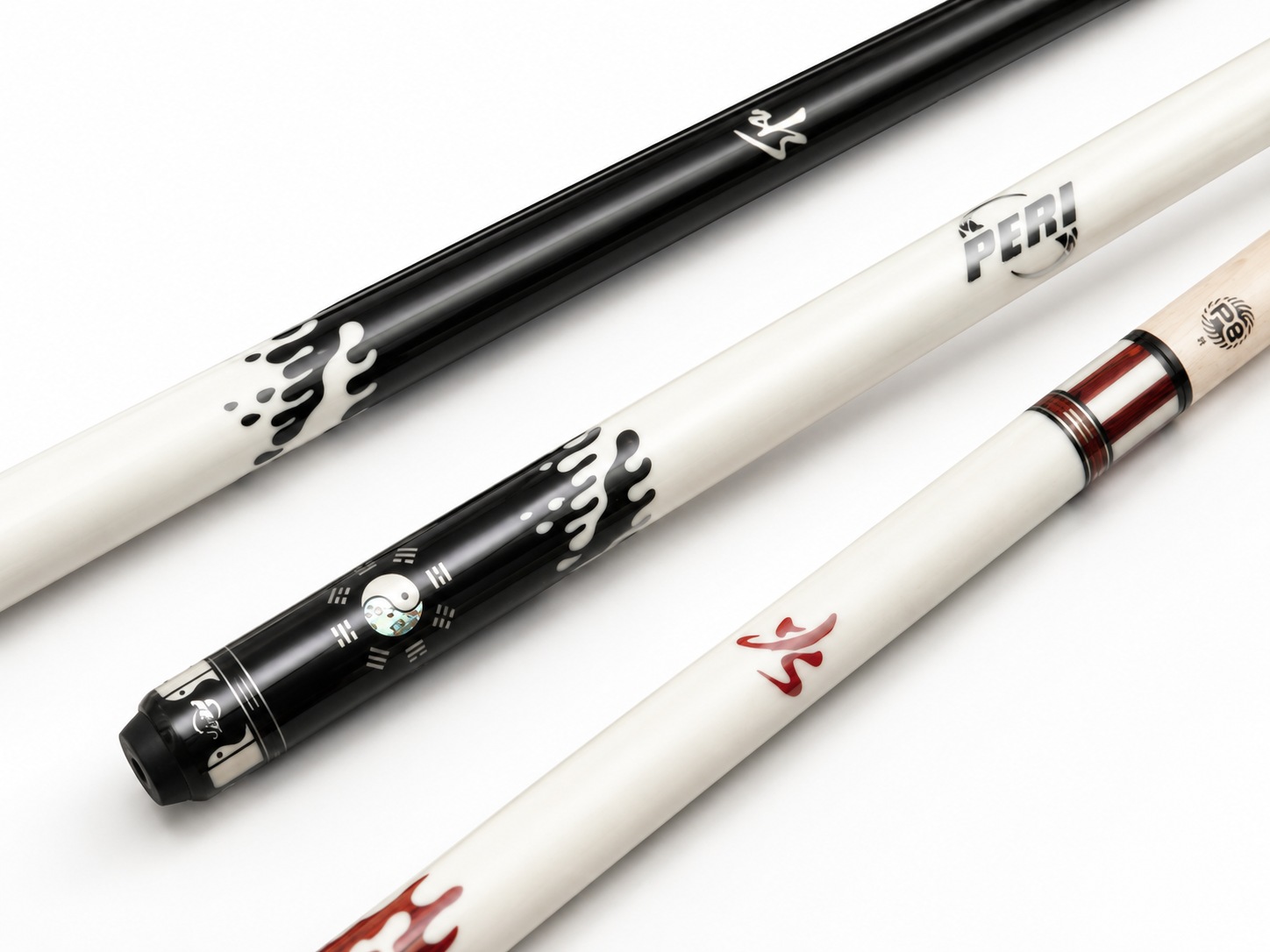
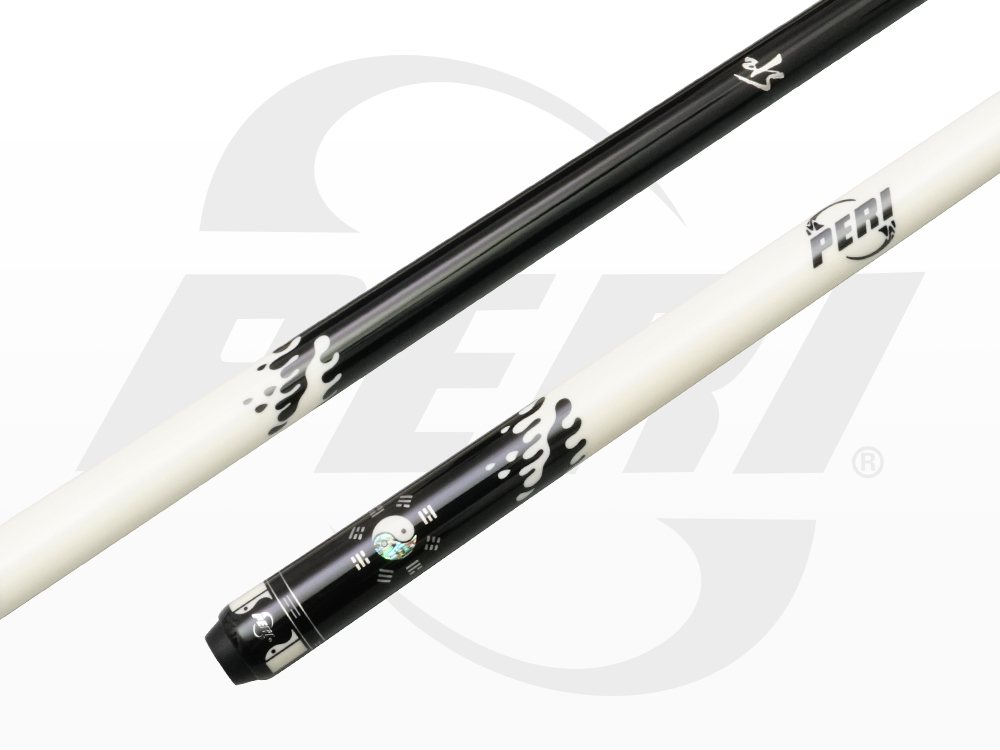
A configuration gives you something real to test. The PERI Jingyuan ME combines a 12.5 mm tip, P8S maple shaft, radial-pin joint, and adjustable 18-19 oz weight system. Those details create a clear setup to try with your own bridge and grip.
Give every candidate the same short trial
A consistent test stops the loudest feature from dominating your choice. Use the same table, balls, and four or five shots for each cue.
· Roll straight shots to check for a relaxed delivery.
· Play a soft draw and controlled follow shot.
· Repeat a familiar cut with light side spin.
· Notice grip pressure after ten minutes.
When you compare professional pool cues, keep the same routine. Finishing and carving can be enjoyable, but a sound selection comes from tomorrow's ordinary shots.

The practical takeaway
The right pool cue lets your normal stroke stay normal. Start with fit, then use weight and butt balance to protect a relaxed grip. Let the shaft and tip refine the feedback you prefer. If two cues seem close, choose the one that makes familiar shots feel less forced.
Use the cue without trying to admire it. After a few racks, ask whether you are thinking about your next shot or about the equipment in your hand. A useful cue becomes quiet: the shaft travels easily through the bridge, the butt stays comfortable in your grip, and the weight does not ask for extra effort. That feeling is more durable than a quick first impression. It is also why a short comparison session is better than choosing from specifications alone. Give the final two candidates equal time, then let the calmer stroke make the decision.
FAQ
Does a heavier cue make shots more powerful?
Not by itself. Extra mass changes feel and timing; a clean stroke still matters more.
Is 19 oz a sensible place to start?
It is a practical middle point to test. Keep the option that leaves your cue arm loose.
Do beginners need a low deflection cue shaft?
No. A smooth shaft, sound tip, and consistent practice are more important at the start.
Does the cue butt change how a cue plays?
Yes. It affects grip comfort and balance, which can change your delivery.
How long should I test a cue before deciding?
Ten focused minutes with familiar shots is more useful than one dramatic hit.
