







What Makes a Low Deflection Shaft?
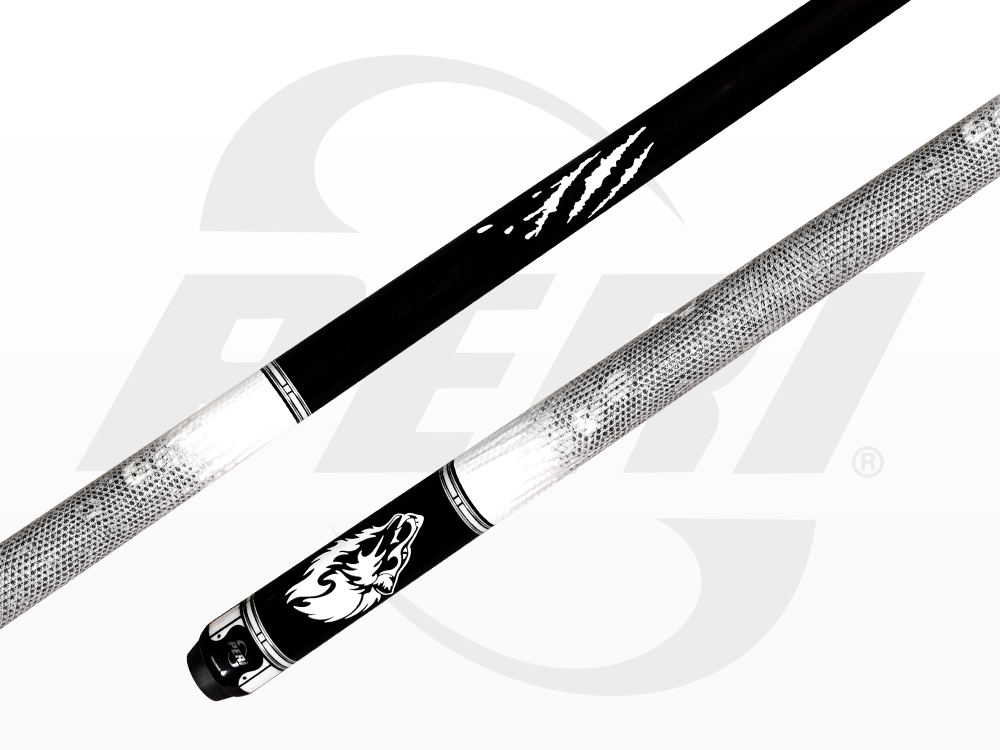
The phrase low deflection is easy to repeat and easy to misunderstand. Players usually meet it after a side-spin shot sends the cue ball farther off line than expected. A better question is what the shaft is actually designed to reduce, how that changes the shot picture, and whether the result fits a player's current aiming habits.
Deflection begins at the front end
Cue ball deflection, often called squirt, is the initial sideways movement that can occur when the cue tip strikes off center. The cue ball is pushed away from the side of the tip contact. It is a physical response at impact, separate from the later curve created by spin as the ball travels across the cloth.
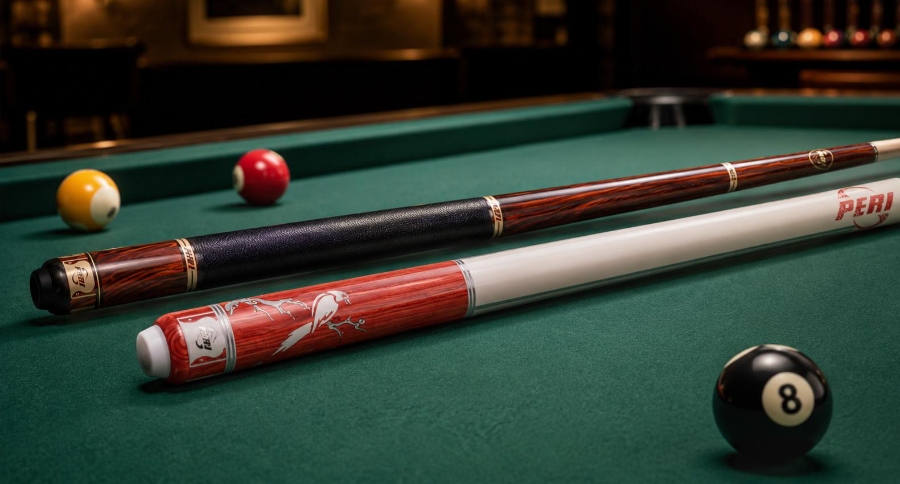
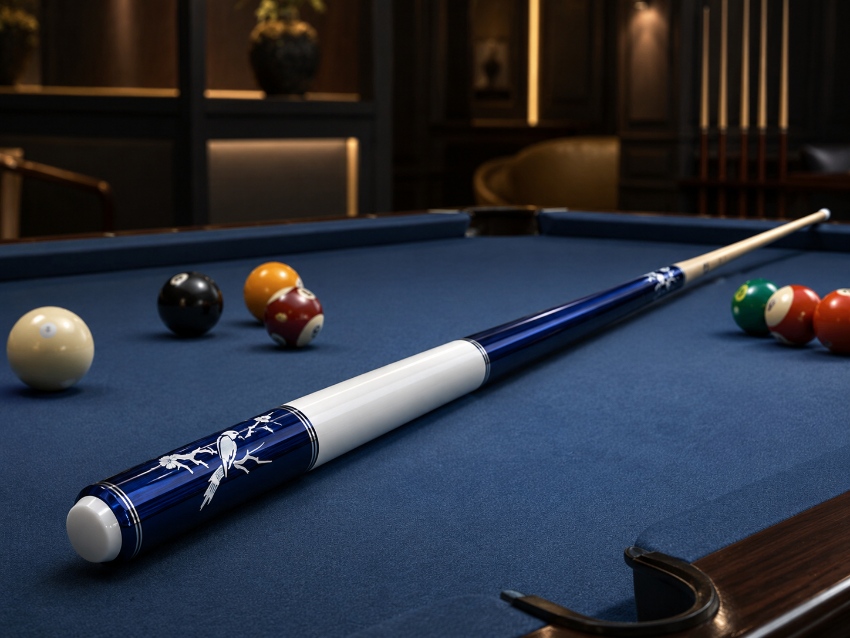
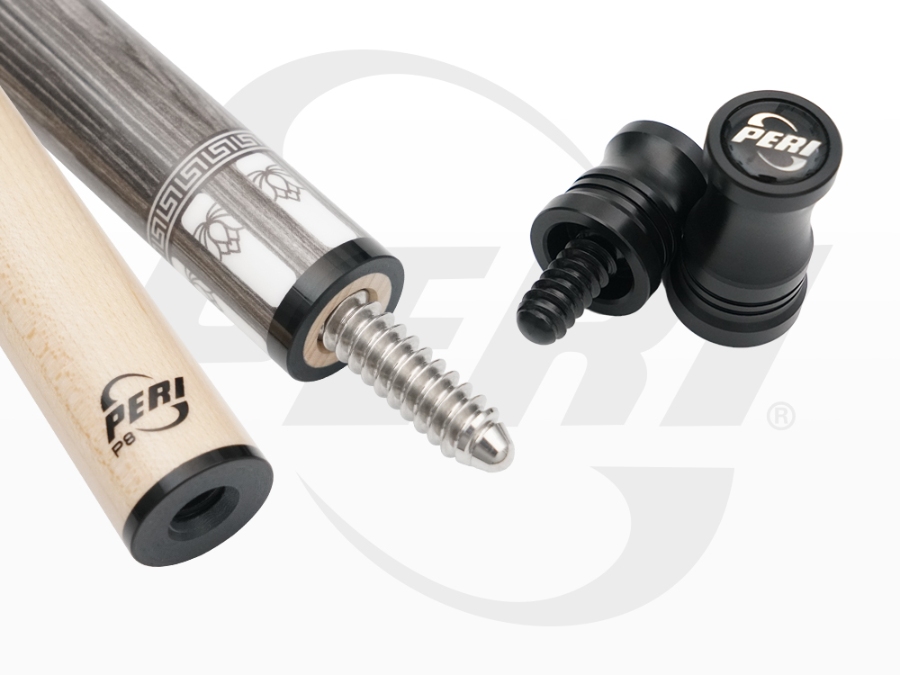
The part most directly involved is the shaft, the narrow front section that carries the ferrule and tip. The butt is the thicker rear section used for grip and much of the cue's balance. Front-end design changes impact behavior; it is not a claim that the butt has made the entire cue more accurate.
Lower is relative, not absolute
A low deflection cue shaft is built to reduce the cue ball's initial sideways displacement compared with a more conventional front end. It does not remove the need to aim, judge throw, or deliver the cue straight. Different brands and test methods can also produce different comparisons, so the phrase works best as a design direction rather than a universal measurement.
Players can adapt successfully to more than one setup. Someone who has learned a familiar shaft may compensate instinctively, while a new option can make old adjustments feel too large. The useful outcome is a repeatable aiming picture, not the smallest label.
Front-end mass is the main design conversation
Front-end mass is the practical idea behind most low-deflection designs. When the tip meets the cue ball off center, a lighter and more responsive front portion can move aside more readily, reducing the sideways push on the ball. Makers can pursue that goal through internal construction, ferrule choice, tip-end geometry, and material distribution.
No single visible feature tells the whole story. Tip diameter, ferrule material and length, internal voids or core structure, taper, and the shaft's overall stiffness can interact. That is why two shafts with the same diameter can still create different pool cue shaft deflection patterns in play.
Front-end factor | What it can influence | What it cannot prove alone |
Effective end mass | Initial sideways cue-ball push | A complete deflection rating |
Ferrule and tip-end build | Weight distribution and feedback | How every player will aim |
Tip diameter | Contact geometry and bridge feel | Automatic spin or accuracy |
Taper and stiffness | Feel and how the shaft moves | A guarantee of low deflection |
A shaft should be tested with a stable cue setup
A fair test holds the rest of the cue steady. Use the same butt, joint, tip condition, table, and bridge length while comparing shafts. The butt affects rear-hand balance, but should not be credited with a front-end deflection change when only its weight or wrap changes.
Begin with moderate side spin rather than extreme shots. Set up a straight cue-ball path, strike the same offset several times, and observe the initial miss direction before trying to correct it. Then repeat at a few distances. The goal is to see whether the new shaft gives a smaller, more predictable adjustment window.
A simple comparison sequence works well:
· Use one butt and only shafts with the correct joint fit.
· Mark the same cue-ball offset for each attempt.
· Repeat a medium-speed side-spin shot from short and medium distance.
· Record the initial cue-ball line before judging the object-ball result.
Feel and deflection are related but different
A shaft can feel firm, lively, quiet, or flexible without telling you its exact deflection behavior. Sensation travels through the whole cue and the player's hands, while cue ball deflection begins at impact. A player may prefer the feedback of one shaft yet find another easier to aim with on side-spin shots.
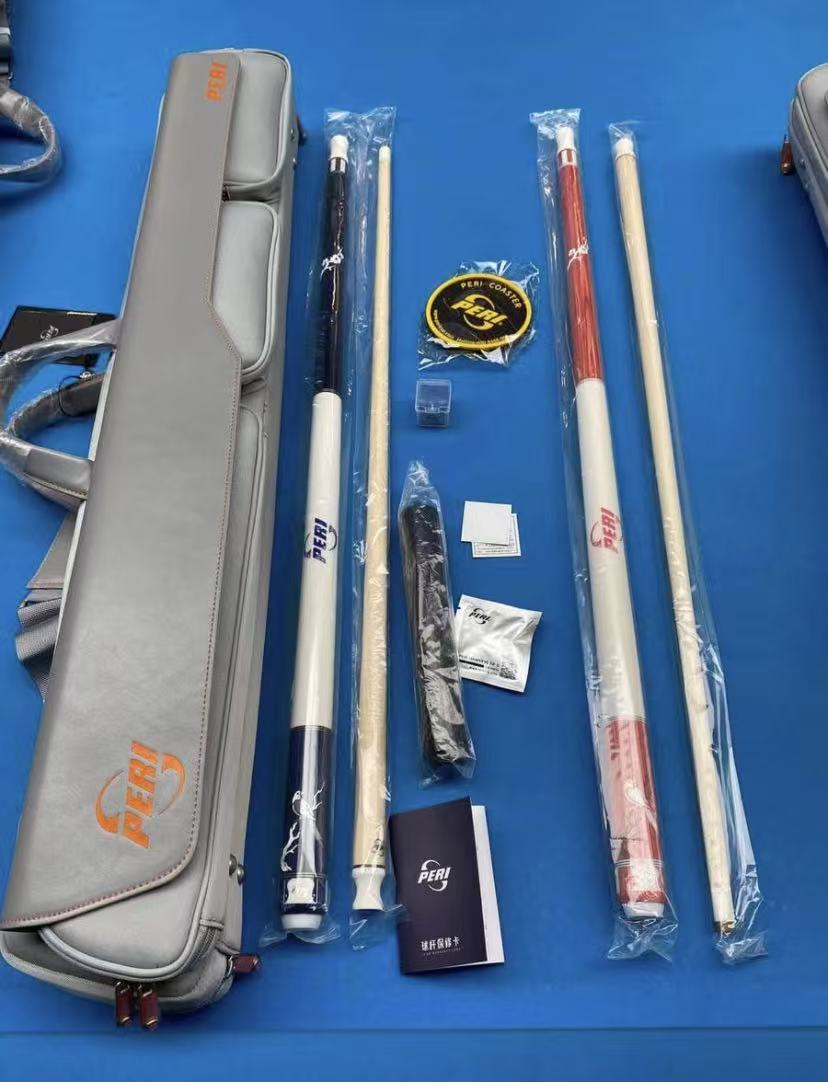
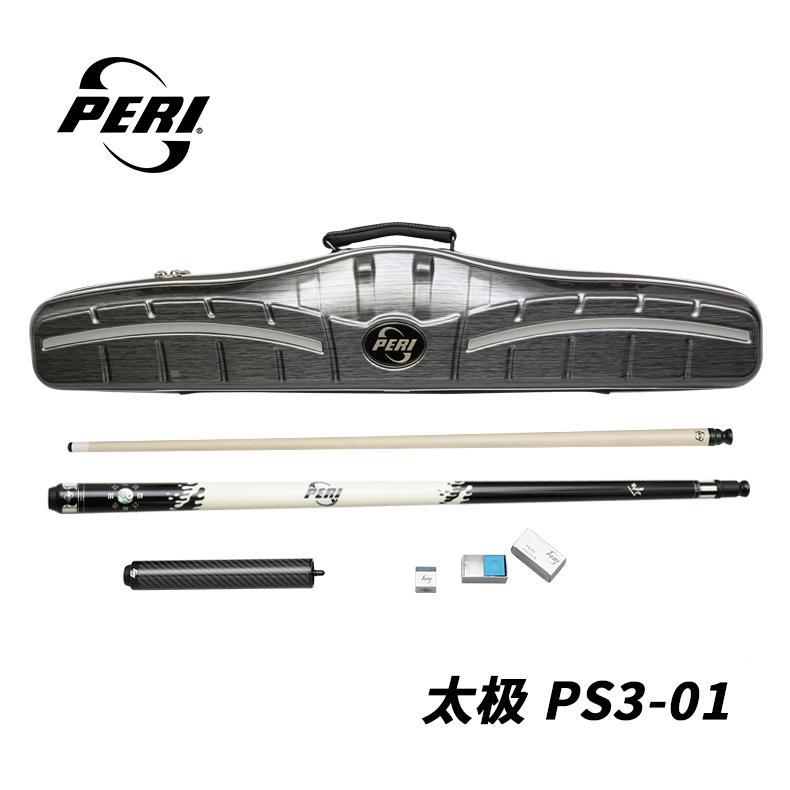
This is a good place to resist a catalog-style shortcut. PERI's P20 family provides a useful wooden-shaft reference because those separate shafts use North American hard maple, a 12.5 mm tip, an XTC ferrule, and a 3.8 to 4.5 oz shaft weight. Those details describe the build; they should be tested, not converted into an unsupported low-deflection promise.
The shaft and butt answer different questions
When a player says a cue feels heavy in the rear hand, the butt and its balance are the first places to inspect. When a player is trying to reduce the immediate sideways response from off-center contact, the shaft's front-end design is the relevant place to look. Keeping those jobs separate prevents a balance change from being mistaken for a deflection change.
The best choice supports the player's aiming routine
Low deflection pool cue shafts are most helpful when they make side-spin adjustments easier to repeat. Some players benefit from a smaller correction because they are building a consistent pre-shot routine; others need a transition period to recalibrate. Neither response is a failure. The test is whether the player sees the same result after enough shots to settle into the shaft.
A low deflection cue shaft is more useful when it begins with the desired playing feel and compatible joint, not with a promise that one front end will solve every miss. Review the tip, ferrule, taper, and shaft-to-butt fit together, then let the table confirm the choice.

The practical takeaway
A low deflection shaft can reduce the initial sideways cue-ball response from off-center hits, but only through a complete front-end design. Test one shaft at a time on the same butt, and separate the shaft's job from the butt's balance and grip role. The right setup is the one that leaves the player with a repeatable side-spin picture.
For a practical baseline, a pool cue shaft deflection should use matching joint fit, controlled speed, and repeatable offsets. That keeps the conclusion grounded in shots rather than a marketing label.
FAQ
Does low deflection mean no cue ball deflection?
No. It means the shaft is intended to reduce the initial sideways movement from off-center contact. Spin, speed, distance, throw, and player delivery still affect the final shot.
Can a butt make a cue low deflection?
No. The butt affects grip, rear mass, and overall balance. Deflection is principally a front-end question, so the shaft, ferrule, tip-end construction, and their mass distribution deserve attention.
Does a smaller tip always create lower deflection?
No. Tip diameter is only one element of a wider front-end design. Two shafts with similar tips can differ because of ferrule construction, internal design, taper, and effective end mass.
Will a lower-deflection front end fix my side-spin misses?
It may reduce the amount of adjustment you need, but it cannot replace sound alignment and a straight delivery. Give yourself a short practice period so old compensation habits do not obscure the result.
Should I test low deflection shafts on different butts?
Test them first on the same compatible butt. That keeps balance, grip, and rear weight stable, making it easier to identify what the shaft changes at cue-ball contact.
