






What Pool Cue Shaft Taper Fits Your Bridge Hand?

A cue can feel comfortable during a few practice strokes and still become awkward once the bridge hand begins moving through real shots. That mismatch often comes from the shaft taper, not from the whole cue. A useful taper choice is less about copying another player and more about recognizing what your bridge hand needs to feel steady, free, and repeatable.
A Taper Changes the Part of the Shaft Your Bridge Hand Feels
A taper is the gradual change in thickness along the shaft, the narrow front section of a pool cue. It affects the part that slides through or rests near the bridge hand. The cue is the complete playing instrument; the shaft is only its front section, ahead of the joint.
The butt is the thicker rear section that carries the wrap, grip, and much of the player's rear-hand contact. A butt can make a cue feel familiar in the back hand, but it cannot tell you how the shaft will behave at the bridge. Keeping those roles separate makes a taper test much more useful.
The Bridge Hand Is the Reference Point
A player who uses a long open bridge samples more of the shaft during a stroke than someone who keeps a short closed bridge. When the shaft's diameter changes noticeably within that travel, the hand may register a change in pressure or clearance. That is a feel cue, not a verdict on whether one taper is universally better.
This is why a pool cue shaft should be tested with the bridge and stroke you actually use. Looking only at the tip diameter misses the distance over which the shaft's thickness changes.
Pro Taper and European Taper Put Different Things First
A longer pro taper keeps a similar diameter over more of the front section before it begins to widen. A European taper usually presents a more continuous rise toward the joint. Neither label predicts every maker's geometry, so the useful question is how much change your bridge hand encounters during a normal delivery.
Taper feel | What the bridge hand notices | Who may prefer it |
Longer pro taper | A longer near-constant diameter under a moving bridge hand | Players who want the shaft to feel similar through a longer stroke |
European taper | A more visible rise in diameter toward the joint | Players who like a fuller change in hand feel as the bridge position moves |
Your actual match | Comfort while staying on line at normal speed | The player whose usual bridge and cue action feel least forced |
A Longer Constant-Diameter Zone
Players who want a familiar glide through an open bridge often start by exploring a longer pool cue shaft taper. The benefit is not extra power or automatic accuracy; it is a more even hand reference while the cue moves forward. That can make it easier to notice whether the stroke itself is staying straight.
A Faster Rise Toward the Joint
A European taper can feel more substantial as the bridge moves farther back from the tip. Players considering a European taper pool cue often like that changing contour because it makes the shaft position easy to sense. Others find it less natural on long, smooth warm-up strokes. The right response is personal, so it deserves a short trial rather than a guess based on a label.

Shot Patterns That Reveal a Good Taper Match
A useful test repeats ordinary shots before dramatic ones. Start at a relaxed pace, then add the bridge lengths and cue speeds that appear most often in your game. Pay attention to your hand contact and stroke line, not just whether a single ball drops.
· Soft stop shots with a short, controlled bridge.
· Center-ball shots using the bridge length you use most often.
· Longer follow-through shots that bring more shaft through the bridge hand.
· A few low-speed side-spin shots, only to check whether the hand feel stays predictable.
If the bridge hand starts tightening only when the cue accelerates, the taper may be asking for an adjustment you do not want to make. If the stroke remains quiet at several speeds, the shape is probably supporting your existing mechanics.
The Rest of the Cue Still Has Its Own Job
A taper decision should stay focused on the shaft. Tip hardness, joint fit, and the cue butt's wrap can all influence the overall impression, but they answer different questions. A leather wrap belongs on the butt; it can affect rear-hand security without changing the taper of the front section.
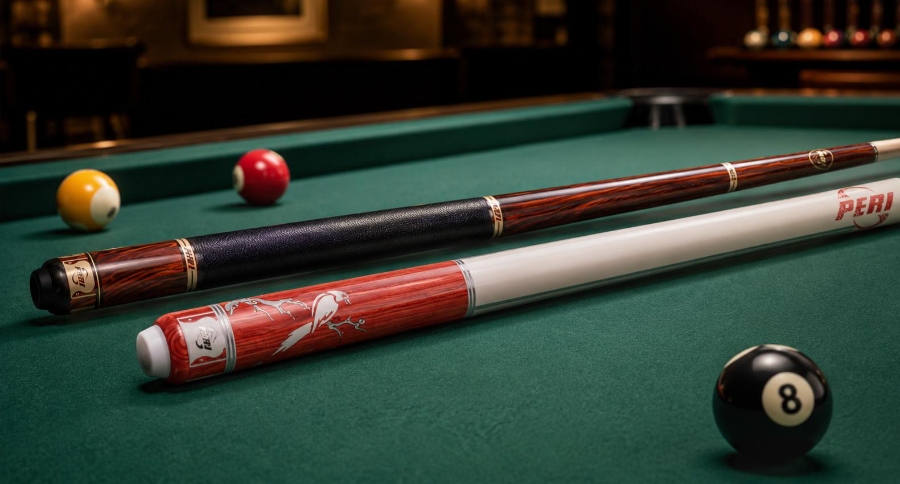
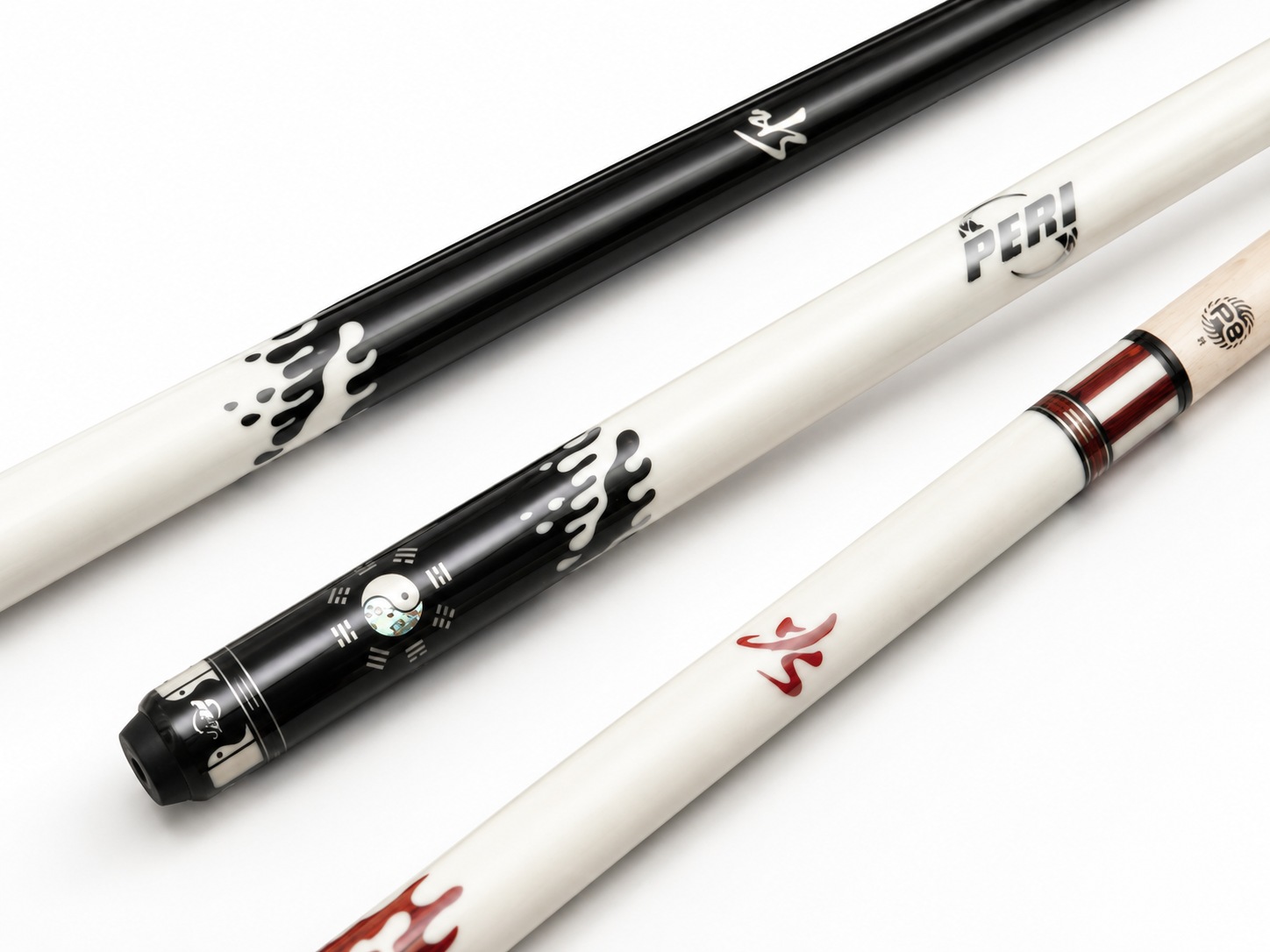
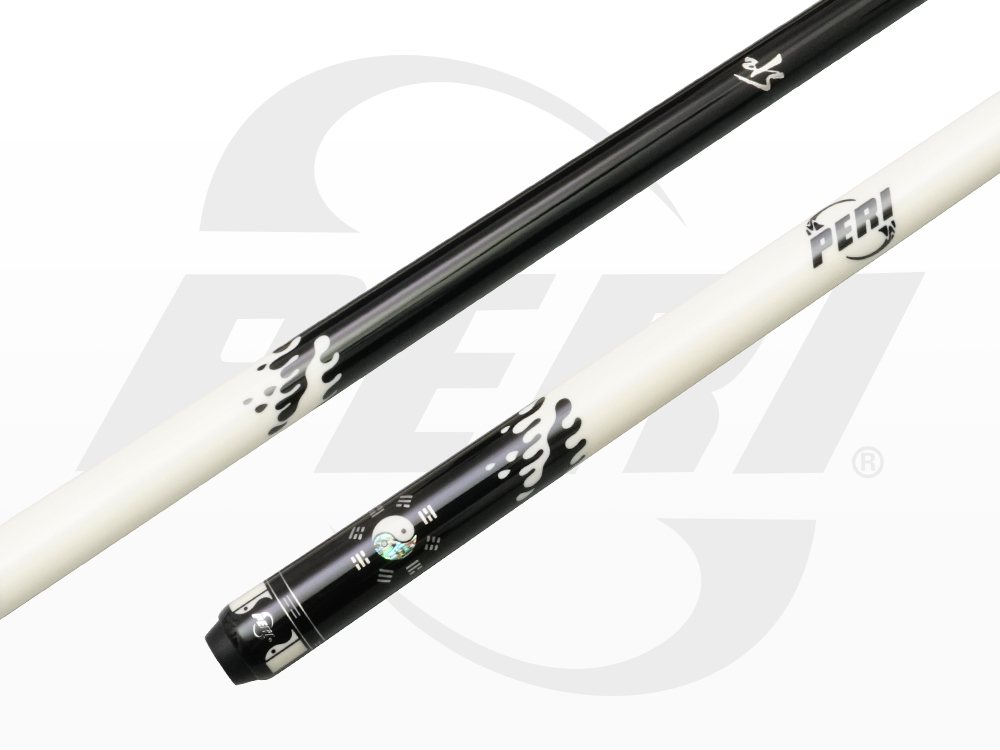
For example, PERI lists its JISU 3 with a P8 hard-maple front section described as a professional taper, while its leather grip belongs to the butt. That distinction is useful when comparing a maple cue shaft: evaluate the shaft for bridge-hand travel and the butt for rear-hand comfort, then decide whether the assembled cue feels coherent.
A Short Trial Routine Before Committing
Give the taper enough time to show itself, but do not turn the trial into a laboratory exercise. Use the same cue butt, bridge style, and speed range for several familiar practice patterns. A short comparison is more revealing when only the shaft feel is changing.
Move from slow center-ball shots to the longer bridges that normally expose the shaft to your hand. Then stop and ask one practical question: did you have to think about clearing the shaft, or did the cue simply move? A natural answer matters more than a fashionable taper name.
The Practical Takeaway
The best taper is the one that lets your bridge hand stay calm while your usual stroke remains recognizable. Test the shaft as the front section of the cue, judge the butt separately for rear-hand feel, and let repeated shots decide. That narrow comparison gives you a clearer answer than changing every cue variable at once.

FAQ
Does a pro taper make a cue better?
No single taper makes every cue better. A pro taper may feel more even through a long bridge, but its value depends on whether that feel helps your own stroke stay relaxed and repeatable.
Is a European taper only for beginners?
No. A European taper is a shaft-shape preference, not a skill label. Experienced players may prefer its changing contour, while other experienced players may prefer a longer constant-diameter zone.
Does shaft taper change the weight of the whole cue?
It can contribute to the feel of the front section, but it is not the same as the whole cue's weight or balance. Treat taper, shaft material, and butt weighting as separate checks.
Can I choose shaft taper from the butt wrap?
No. The wrap is part of the butt and concerns the rear hand. It may make the cue feel secure, but you still need to test the shaft where it travels through the bridge hand.
How long should I test a new taper?
Test it across several familiar practice patterns and normal bridge lengths. You need enough repetitions to notice whether the hand stays relaxed, not a single memorable shot.
